The Iranian Revolution of 1979 was a pivotal moment in the history of Iran, with far-reaching consequences that are still felt to this day. If you are interested in delving deeper into this transformative event, look no further than these 20 best books about the Iranian Revolution. Whether you are a history buff, a political science enthusiast, or simply curious about the subject, these books on the Iranian Revolution will provide you with invaluable insights and perspectives.
Contents
- 1 Revolutionary Iran: A History of the Islamic Republic
- 2 The Fall of Heaven: The Pahlavis and the Final Days of Imperial Iran
- 3 The Iran-Iraq War
- 4 The Ayatollah Begs to Differ: The Paradox of Modern Iran
- 5 The Shah
- 6 The Iran Primer: Power, Politics, and U.S. Policy
- 7 The Persian Puzzle: The Conflict Between Iran and America
- 8 All the Shah’s Men: An American Coup and the Roots of Middle East Terror
- 9 The Mantle of the Prophet: Religion and Politics in Iran
- 10 Iran Awakening: A Memoir of Revolution and Hope
- 11 Guests of the Ayatollah: The Iran Hostage Crisis: The First Battle in America’s War with Militant Islam
- 12 The Coup: 1953, the CIA, and the Roots of Modern U.S.-Iranian Relations
- 13 The Iran-Contra Scandal: The Declassified History
- 14 The Shia Revival: How Conflicts within Islam Will Shape the Future
- 15 The Struggle for Iran
- 16 The Iran Wars: Spy Games, Bank Battles, and the Secret Deals That Reshaped the Middle East
- 17 The Turban for the Crown: The Islamic Revolution in Iran
- 18 The Oil Kings: How the U.S., Iran, and Saudi Arabia Changed the Balance of Power in the Middle East
- 19 The Twilight War: The Secret History of America’s Thirty-Year Conflict with Iran
- 20 The Tragedy of Iran
- 21 Conclusion

Revolutionary Iran: A History of the Islamic Republic
by Michael Axworthy
Revolutionary Iran: A History of the Islamic Republic by Michael Axworthy is a captivating and insightful book on the tumultuous events of the Iranian revolution. This fascinating account delves into the complexities and intricacies surrounding one of the most significant political upheavals of the 20th century.
Axworthy, a renowned historian and expert on Iran, provides a comprehensive exploration of the Iranian revolution and its aftermath. He meticulously examines the social, cultural, and political factors that led to the revolution’s emergence, offering readers a nuanced understanding of the events that unfolded.
Through his meticulous research and engaging narrative style, Axworthy takes readers on a gripping journey through the various stages of the revolution. From the initial protests against the autocratic rule of the Shah to the establishment of the Islamic Republic, every aspect of this transformative period is expertly analyzed.
Axworthy’s book offers a balanced perspective, presenting the viewpoints of different factions involved in the revolution. He delves into the motivations and aspirations of the revolutionaries, shedding light on the complex interplay of ideology, religion, and power struggles that shaped the outcome.
Moreover, Axworthy provides valuable insights into the consequences of the revolution, both domestically and internationally. He analyzes the impact of the Islamic Republic on Iran’s society, economy, and foreign relations, painting a vivid picture of the challenges and successes faced by the new regime.
Revolutionary Iran: A History of the Islamic Republic is a must-read for anyone seeking a comprehensive and engaging account of the Iranian revolution. Axworthy’s expertise and deep understanding of the subject matter shine through, making this book an invaluable resource for those interested in the history, politics, and culture of Iran.
The Fall of Heaven: The Pahlavis and the Final Days of Imperial Iran
by Andrew Scott Cooper
The Fall of Heaven: The Pahlavis and the Final Days of Imperial Iran by Andrew Scott Cooper is a captivating book on the Iranian Revolution that delves deep into the turbulent period leading up to the downfall of the Pahlavi dynasty. Cooper’s meticulously researched account takes readers on a spellbinding journey through the political intrigue, social unrest, and power struggles that ultimately shaped the fate of Iran.
With its rich narrative and compelling storytelling, this book about the Iranian Revolution offers a fresh perspective on the events that unfolded in the late 1970s. Cooper paints a vivid picture of a nation in turmoil, grappling with economic inequality, religious tensions, and the authoritarian rule of Mohammad Reza Pahlavi.
Through extensive interviews and access to previously classified documents, Cooper uncovers the inner workings of the Pahlavi regime, exposing its vulnerabilities and the forces that sought to bring it down. The author skillfully weaves together the personal stories of key figures such as the Shah, his wife Empress Farah, and the revolutionary leader Ayatollah Khomeini, providing readers with a nuanced understanding of their motivations and actions.
What sets this Iranian revolution book apart is Cooper’s ability to humanize the complex individuals at the center of the storm, allowing readers to see them as flawed and multidimensional characters rather than mere historical figures. This approach adds a layer of empathy and depth to the narrative, making it all the more compelling.
Overall, The Fall of Heaven is an engrossing and enlightening exploration of one of the most pivotal periods in Iranian history. Cooper’s meticulous research, engaging prose, and nuanced storytelling make this book on the Iranian Revolution a must-read for anyone seeking a deeper understanding of the forces that shaped modern Iran.
The Iran-Iraq War
by Pierre Razoux
Pierre Razoux’s book on the Iran-Iraq War is a gripping account of one of the most brutal and long-lasting conflicts in modern history. This book delves into the origins, strategies, and consequences of the war, offering readers a comprehensive understanding of the complexities that unfolded during this tumultuous period.
With meticulous research and a captivating narrative style, Razoux provides a fresh perspective on the Iran-Iraq War, going beyond the conventional explanations and exploring the multifaceted dynamics at play. From the book’s opening pages, readers are transported to the heart of the conflict, witnessing the intense battles, political maneuverings, and the devastating toll it took on both nations.
Razoux’s expertise on the subject is evident throughout the book, as he weaves together various primary sources, interviews, and military analysis to shed light on the motivations and actions of all parties involved. He vividly describes the key events and decisions that shaped the course of the war, while also delving into the cultural, religious, and geopolitical factors that exacerbated the tensions between Iran and Iraq.
What sets this book apart is its ability to present a balanced account of the war, providing readers with insights into the perspectives of both Iran and Iraq. Razoux explores the internal dynamics of each country, delving into the political, social, and economic factors that influenced their respective approaches to the conflict. By doing so, he paints a nuanced picture of the war, moving beyond simplistic portrayals of good versus evil.
Razoux’s analysis of the Iran-Iraq War goes beyond the battlefield, examining how the conflict reverberated on a global scale. He highlights the international ramifications, including the involvement of various countries and the impact on regional stability. This broader perspective adds depth to the narrative, allowing readers to grasp the far-reaching consequences of the war.
Overall, Razoux’s book on the Iran-Iraq War is a must-read for anyone seeking a comprehensive understanding of this pivotal moment in history. With its engaging storytelling, meticulous research, and nuanced analysis, this book transcends the traditional boundaries of a military history and offers readers a profound exploration of not only the war but also the complex web of factors that led to its outbreak.
The Ayatollah Begs to Differ: The Paradox of Modern Iran
by Hooman Majd
The Ayatollah Begs to Differ: The Paradox of Modern Iran, written by Hooman Majd, offers a fascinating and insightful look into the complex and paradoxical nature of modern Iran. This captivating book provides readers with a unique perspective on the Iranian revolution, shedding light on the intricacies and contradictions that make up the country’s political and cultural landscape.
Majd, drawing upon his own experiences as an Iranian American journalist, takes readers on a journey through the rich history, traditions, and mindset of the Iranian people. He skillfully weaves together personal anecdotes, interviews, and historical analysis to paint a comprehensive picture of Iran’s complex relationship with Islam, politics, and the outside world.
What sets this book apart is Majd’s ability to capture the paradoxes that exist within Iranian society. He explores the tensions between tradition and modernity, religious conservatism and secularism, and the desire for political freedom within a theocratic system. Through his nuanced and thought-provoking observations, he challenges stereotypes and preconceived notions about Iran, offering a more nuanced understanding of the country and its people.
Whether you are a history buff, a political enthusiast, or simply curious about the Iranian revolution, this book is a must-read. Majd’s engaging writing style and deep knowledge of Iranian culture make for an immersive and enlightening reading experience. So, dive into this captivating book about the Iranian revolution and discover the paradoxes that shape modern Iran.

The Shah
by Abbas Milani
The Shah by Abbas Milani is an incredibly captivating and insightful book that delves deep into the tumultuous era of the Iranian Revolution. With a masterful blend of historical analysis and personal anecdotes, Milani presents a comprehensive and nuanced account of one of the most significant periods in Iran’s modern history.
This remarkable book provides readers with a unique perspective on the Iranian Revolution, offering a fresh and thought-provoking examination of the factors that led to its inception and its far-reaching consequences. Milani’s meticulous research and engaging storytelling style make this a must-read for anyone interested in gaining a deeper understanding of this pivotal moment in Iranian history.
With its richly detailed narrative and insightful analysis, The Shah offers readers a front-row seat to the complex political landscape and social upheaval that characterized the Iranian Revolution. Milani’s expertise and extensive knowledge of the subject shine through, as he skillfully navigates the intricacies of the revolution, shedding light on the key players, ideologies, and events that shaped its course.
What sets this book apart is Milani’s ability to humanize the individuals involved, providing readers with a multifaceted portrait of the Shah and the diverse cast of characters that played a role in the revolution. Through his vivid storytelling, Milani brings to life the hopes, fears, and aspirations of the Iranian people during this turbulent period, offering a profound exploration of the human experience amidst political turmoil.
Whether you are a history enthusiast, a scholar, or simply curious about the Iranian Revolution, The Shah is a must-read. Milani’s comprehensive research, insightful analysis, and engaging storytelling make this book a true gem for anyone seeking a deeper understanding of this pivotal moment in Iran’s history. Prepare to be captivated by this riveting account of the Iranian Revolution.
The Iran Primer: Power, Politics, and U.S. Policy
by Robin Wright (Editor)
If you’re looking for a captivating and informative read about the Iranian Revolution, look no further than The Iran Primer: Power, Politics, and U.S. Policy edited by Robin Wright. This book offers a comprehensive and engaging overview of one of the most significant events in modern history.
With its insightful analysis and diverse range of expert contributors, The Iran Primer provides a multifaceted understanding of the complex factors that led to the revolution and its far-reaching impacts on both Iran and the world. This book delves into the power struggles, political dynamics, and U.S. policy implications surrounding the revolution, offering readers a nuanced perspective on this pivotal moment in Iranian history.
Whether you’re a history buff, a political science enthusiast, or simply curious about the Iranian Revolution, this book is a must-read. Its accessible writing style and wealth of information make it a valuable resource for anyone seeking a deeper understanding of this transformative period. So, grab a copy of The Iran Primer and prepare to be captivated by this illuminating exploration of the Iranian Revolution.
The Persian Puzzle: The Conflict Between Iran and America
by Kenneth M. Pollack
The Persian Puzzle: The Conflict Between Iran and America by Kenneth M. Pollack is a captivating book that delves into the complex relationship between Iran and the United States. This thought-provoking work provides a comprehensive analysis of the historical, political, and cultural factors that have shaped this tumultuous relationship.
As you delve into the pages of this book, you will embark on a journey through time, exploring the origins of the Iranian revolution and its aftermath. Pollack skillfully weaves together various strands of history, providing a nuanced understanding of the events that led to the revolution and the subsequent rise of the Islamic Republic.
With meticulous research and insightful analysis, Pollack sheds light on the factors that have fueled the ongoing conflict between Iran and America. He explores the ideological differences, diplomatic clashes, and strategic interests that have shaped their relationship over the years.
What sets this book apart is Pollack’s ability to present a balanced perspective. He avoids simplistic narratives and instead offers a nuanced understanding of the complexities involved. By exploring the perspectives of both Iran and America, he provides readers with a well-rounded view of the issues at hand.
The Persian Puzzle is not just a book about the Iranian revolution; it is a work that delves into the heart of a conflict that continues to shape the geopolitical landscape of the Middle East. It is a must-read for anyone seeking a deeper understanding of the intricacies of this enduring struggle.
All the Shah’s Men: An American Coup and the Roots of Middle East Terror
by Stephen Kinzer
All the Shah’s Men: An American Coup and the Roots of Middle East Terror by Stephen Kinzer is an eye-opening book on the Iranian Revolution that will leave you questioning the role of foreign powers in shaping the destiny of nations.
In this gripping account, Kinzer takes us back to the early 1950s, when Iran was a vibrant democracy led by its popular Prime Minister, Mohammad Mossadegh. However, Mossadegh’s determination to nationalize Iran’s oil industry and take control of its vast resources threatened the interests of the British and American governments.
Using a combination of meticulous research and riveting storytelling, Kinzer unravels the web of intrigue and covert operations that ultimately led to the overthrow of Mossadegh and the installation of the Shah, Mohammad Reza Pahlavi, as the supreme ruler of Iran.
Through interviews with key players and access to classified documents, Kinzer reveals the extent of American involvement in the coup, codenamed Operation Ajax. He argues that this event not only marked the beginning of US intervention in Iran but also laid the foundation for the rise of Middle East terrorism.
By providing historical context and delving into the motivations of the individuals involved, Kinzer brings to life the complex dynamics of power and greed that shaped the Iranian Revolution. He forces us to confront uncomfortable truths about the consequences of foreign interference and the lasting impact it has on the stability of nations.
All the Shah’s Men is a thought-provoking and timely read that sheds light on the roots of the Middle East’s troubled relationship with the West. It serves as a stark reminder that the choices made by governments in the pursuit of their own interests can have far-reaching and unintended consequences.
The Mantle of the Prophet: Religion and Politics in Iran
by Roy Mottahedeh
The Mantle of the Prophet: Religion and Politics in Iran by Roy Mottahedeh is a captivating exploration of the intricate relationship between religion and politics during the Iranian Revolution. This thought-provoking book on the Iranian Revolution delves deep into the complex historical and cultural context of Iran, shedding light on the intertwining forces that shaped the country’s destiny.
Iran Awakening: A Memoir of Revolution and Hope
by Shirin Ebadi
Iran Awakening: A Memoir of Revolution and Hope by Shirin Ebadi
Are you intrigued by the tumultuous events of the Iranian Revolution? Do you want to gain a deeper understanding of the struggles and hopes that defined this critical period in history? Look no further than Iran Awakening by Shirin Ebadi, a remarkable memoir that offers a unique perspective on the Iranian Revolution and its aftermath.
As the first Muslim woman to receive the Nobel Peace Prize, Shirin Ebadi provides a powerful account of her personal journey through the Iranian Revolution and its transformative impact on her life. Through her eloquent storytelling, she takes readers on a riveting exploration of the political and social upheaval that unfolded in Iran during this time.
Ebadi’s memoir delves into the complexities of the Iranian Revolution, capturing the spirit of hope and the desire for change that swept across the nation. She vividly describes her experiences as a human rights lawyer, fighting for justice and equality in a society grappling with both religious and political tensions.
What sets Iran Awakening apart from other books on the Iranian Revolution is Ebadi’s unwavering optimism and her unwavering determination to create a better future for her country. Despite facing numerous obstacles and threats to her own safety, she remains steadfast in her belief that progress and justice are possible.
This memoir not only offers a compelling account of the Iranian Revolution, but it also serves as a testament to the power of hope and the resilience of the human spirit. Ebadi’s story is one of courage, perseverance, and unwavering faith in the pursuit of a more just and inclusive society.
If you are looking for a gripping and inspiring book about the Iranian Revolution, Iran Awakening is a must-read. Shirin Ebadi’s memoir will captivate you from the first page, leaving you with a profound understanding of the challenges faced by individuals striving for change in the face of adversity.
Guests of the Ayatollah: The Iran Hostage Crisis: The First Battle in America’s War with Militant Islam
by Mark Bowden
Guests of the Ayatollah: The Iran Hostage Crisis: The First Battle in America’s War with Militant Islam by Mark Bowden is a captivating book about the Iranian Revolution. Bowden, a renowned journalist and author, takes readers on a thrilling journey through one of the most pivotal events in modern history.
In 1979, a group of Iranian students stormed the U.S. Embassy in Tehran and took dozens of American diplomats and embassy staff hostage. This act marked the beginning of the infamous Iran Hostage Crisis, which lasted for 444 days. Bowden delves deep into the complexities of the crisis, exploring the motives behind the hostage-takers and the political landscape that gave rise to their actions.
With meticulous research and gripping storytelling, Bowden brings to life the harrowing experiences of the hostages and their families, as well as the intense negotiations and failed rescue attempts that unfolded behind the scenes. He provides a comprehensive analysis of the political, social, and religious factors that shaped the crisis, shedding light on the broader implications it had for U.S.-Iran relations and the rise of militant Islam.
Bowden’s writing style is both informative and engaging, making Guests of the Ayatollah a page-turner that appeals to both history enthusiasts and general readers. He paints a vivid picture of the tense atmosphere in Tehran during the revolution, offering a firsthand account of the chaos and uncertainty that engulfed the city.
This book on the Iranian Revolution goes beyond the headlines and explores the human stories behind the crisis. It offers a nuanced understanding of the cultural and political dynamics at play, challenging simplistic narratives and providing a more comprehensive view of this pivotal moment in history.
Guests of the Ayatollah is a must-read for anyone interested in understanding the complexities of the Iranian Revolution and its enduring impact on global politics. Bowden’s masterful storytelling and in-depth research make this book a compelling and enlightening exploration of a crucial chapter in America’s war with militant Islam.
The Coup: 1953, the CIA, and the Roots of Modern U.S.-Iranian Relations
by Ervand Abrahamian
The Coup: 1953, the CIA, and the Roots of Modern U.S.-Iranian Relations by Ervand Abrahamian is a captivating book that delves deep into the turbulent history of Iran and its complex relationship with the United States. This meticulously researched work offers a fascinating account of the events leading up to the 1953 coup in Iran, which ultimately shaped the course of modern U.S.-Iranian relations.
Abrahamian’s book is not just another ordinary book on the Iranian revolution; it goes beyond that, providing a comprehensive analysis of the historical, political, and social factors that led to the overthrow of Iran’s democratically elected Prime Minister, Mohammad Mossadegh. The author skillfully unveils the intricate web of covert operations and international power plays orchestrated by the CIA and British intelligence, shedding light on the motives and actions of key players involved in this pivotal moment in history.
Through his thorough examination of declassified documents and interviews with key figures involved, Abrahamian presents a nuanced and well-rounded perspective on the coup and its far-reaching consequences. He explores the impact of the coup on Iran’s political landscape, the rise of the Shah, and the subsequent discontent that laid the groundwork for the Iranian Revolution of 1979.
What sets this book apart is Abrahamian’s ability to present complex historical events in a compelling narrative style. His engaging prose keeps readers hooked from start to finish, making it an accessible read for both history enthusiasts and those seeking a deeper understanding of the roots of modern U.S.-Iranian relations.
In summary, The Coup: 1953, the CIA, and the Roots of Modern U.S.-Iranian Relations is an essential book for anyone interested in gaining a comprehensive understanding of the Iranian revolution, the role of the United States in shaping Iran’s political destiny, and the lasting impact of these events on the region and the world.
The Iran-Contra Scandal: The Declassified History
by Peter Kornbluh
In Peter Kornbluh’s eye-opening The Iran-Contra Scandal: The Declassified History, readers are taken on a thrilling journey through one of the most controversial chapters in American history. This meticulously researched book sheds light on the intricate web of deception, intrigue, and power that surrounded the Iran-Contra scandal.
What makes this book truly remarkable is Kornbluh’s access to declassified documents, providing readers with an unprecedented glimpse into the inner workings of this political scandal. With a keen eye for detail, Kornbluh unveils the covert operations, secret arms deals, and illegal activities that transpired during the Reagan administration.
While the book delves into the scandal itself, it also offers valuable insights into the broader context of the era. Kornbluh explores the complexities of U.S.-Iran relations, the covert war in Nicaragua, and the political landscape of the 1980s. By doing so, he paints a vivid picture of the tumultuous times that shaped the scandal.
Kornbluh’s writing style is engaging and accessible, making this book a compelling read for both history enthusiasts and those seeking a better understanding of the Iran-Contra affair. He expertly weaves together narratives, testimonies, and historical analysis to create a captivating account that keeps readers hooked from start to finish.
Whether you’re already familiar with the Iran-Contra scandal or approaching the topic for the first time, this book is a must-read. It offers a fresh perspective and deepens our understanding of a pivotal moment in U.S. history. Get ready to uncover the hidden truths and shocking revelations of the Iran-Contra scandal in this riveting declassified history.
The Shia Revival: How Conflicts within Islam Will Shape the Future
by Vali Nasr
The Shia Revival: How Conflicts within Islam Will Shape the Future by Vali Nasr
Are you curious about the seismic shifts happening within the Islamic world? Look no further than The Shia Revival: How Conflicts within Islam Will Shape the Future by Vali Nasr. This groundbreaking book delves into the heart of the Iranian revolution and its profound impact on the Muslim world.
Often referred to as a book about the Iranian revolution, The Shia Revival goes beyond a mere historical account. Nasr explores the ongoing struggle for power and influence between Sunni and Shia factions, revealing the complexities and tensions that have shaped the Middle East for decades.
With meticulous research and insightful analysis, Nasr sheds light on the rise of Shia Islam as a potent force in the region. He dissects the ideological battles, political maneuverings, and religious dynamics that have propelled the Shia revival, challenging long-held assumptions about the balance of power in the Muslim world.
Through engaging storytelling and thought-provoking arguments, Nasr paints a vivid picture of the internal conflicts within Islam and their global consequences. He presents a compelling case for why understanding the book on the Iranian revolution is crucial for comprehending the complexities of contemporary Middle Eastern politics.
Whether you are a history enthusiast, a political analyst, or simply someone seeking a deeper understanding of the world we live in, The Shia Revival is a must-read. Nasr’s expertise and captivating writing style make this book an accessible and enlightening journey into the heart of one of the most significant religious and political movements of our time.
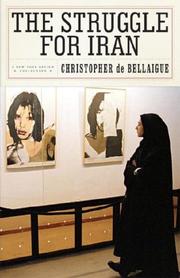
The Struggle for Iran
by Christopher de Bellaigue
The Struggle for Iran is a captivating book about the tumultuous events that unfolded during the Iranian Revolution. Christopher de Bellaigue takes readers on a thrilling journey through the pages of history, shedding light on the complexities and intricacies of this transformative period.
With meticulous research and engaging storytelling, de Bellaigue brings to life the people, the politics, and the passions that shaped the Iranian Revolution. From the streets of Tehran to the corridors of power, he delves into the motivations and aspirations of the revolutionaries, providing a nuanced understanding of their struggle for change.
This book on the Iranian Revolution is not just a historical account; it is a gripping narrative that immerses readers in the revolutionary fervor of the time. Through vivid descriptions and intimate portraits, de Bellaigue paints a vivid picture of a nation in flux, torn between tradition and modernity, religion and secularism.
De Bellaigue’s book about the Iranian Revolution is a must-read for anyone interested in the Middle East, politics, or the power of popular uprisings. It offers a fresh perspective on a pivotal moment in history, challenging conventional narratives and revealing the complexities of a revolution that continues to shape Iran and the region today.
In The Struggle for Iran, de Bellaigue expertly weaves together personal stories, political analysis, and historical context to create a comprehensive and compelling account of the Iranian Revolution. This Iranian revolution book sheds light on a critical period in Iran’s history, offering insights that are both thought-provoking and deeply resonant.
The Iran Wars: Spy Games, Bank Battles, and the Secret Deals That Reshaped the Middle East
by Jay Solomon
The Iran Wars is a captivating book that delves into the intricate web of international politics, espionage, and clandestine deals that shaped the Middle East in the aftermath of the Iranian Revolution. Jay Solomon, an esteemed journalist, takes readers on a thrilling journey through the covert operations, bank battles, and high-stakes spy games that have defined the region for decades.
This book offers a comprehensive and engrossing account of the events that followed the Iranian Revolution, which shook the world in 1979. With meticulous research and insider information, Solomon unveils the hidden machinations of various countries, including the United States, Iran, Israel, and Saudi Arabia, as they maneuvered for power and influence in the region.
As readers delve into the pages of The Iran Wars, they will discover the intricate complexities of the Middle East, where alliances are made and broken, and secret deals are struck behind closed doors. Solomon sheds light on the covert involvement of intelligence agencies, the use of economic sanctions as a weapon, and the constant struggle for dominance between Iran and its neighboring countries.
What sets this book apart is Solomon’s ability to humanize the key players in these geopolitical games. He provides fascinating portraits of political figures such as Ayatollah Khomeini, Ronald Reagan, and Benjamin Netanyahu, revealing their motivations, strategies, and the impact of their decisions on the region.
The Iran Wars is not just a book about the Iranian Revolution; it is a gripping account of the ongoing power struggles, proxy wars, and nuclear ambitions that continue to shape the Middle East today. With its thought-provoking insights and fast-paced narrative, this book is a must-read for anyone seeking a deeper understanding of the region’s complex dynamics.
The Turban for the Crown: The Islamic Revolution in Iran
by Said Amir Arjomand
The Turban for the Crown is a captivating book on the Iranian Revolution that unveils the intricate complexities behind this transformative period in Iranian history. Authored by Said Amir Arjomand, this remarkable piece of literature delves into the depths of the Islamic Revolution in Iran with great precision and detail.
Arjomand’s work is not just any ordinary book about the Iranian Revolution; it is a compelling narrative that brings to life the riveting events that unfolded during this tumultuous time. The author skillfully weaves together historical analysis, political insights, and personal testimonies, creating a comprehensive account that leaves readers captivated from start to finish.
What sets this Iranian Revolution book apart is Arjomand’s ability to offer a multi-dimensional perspective on the revolution. He explores the religious, political, and social factors that shaped the revolution, shedding light on the various forces at play and the impact they had on Iranian society.
Arjomand’s writing style is both engaging and accessible, making complex concepts and historical events easily understandable for readers of all backgrounds. His meticulous research and thoughtful analysis provide a well-rounded view of the revolution, allowing readers to develop a deeper understanding of its significance.
In addition to its academic value, The Turban for the Crown also serves as a thought-provoking exploration of the human experience amidst political upheaval. Through the personal stories and accounts of those who lived through the revolution, Arjomand brings a human element to the narrative, making it relatable and emotionally compelling.
Overall, The Turban for the Crown is a must-read for anyone interested in gaining a comprehensive and nuanced understanding of the Iranian Revolution. Arjomand’s insightful analysis, combined with his engaging storytelling, makes this book a true gem in the realm of Iranian history and political literature.
The Oil Kings: How the U.S., Iran, and Saudi Arabia Changed the Balance of Power in the Middle East
by Andrew Scott Cooper
The Oil Kings: How the U.S., Iran, and Saudi Arabia Changed the Balance of Power in the Middle East by Andrew Scott Cooper is a captivating book that delves into the intricate web of politics, power, and oil that shaped the Middle East in the 20th century. This meticulously researched narrative explores the key players and events that led to the transformation of the region, with a particular focus on the Iranian Revolution.
Cooper paints a vivid picture of the political landscape leading up to the revolution, highlighting the clash between the conservative monarchy and the rising tide of discontent among the Iranian people. By examining the actions and motivations of influential figures such as the Shah of Iran, Mohammad Reza Pahlavi, and the Ayatollah Khomeini, the author provides valuable insights into the complexities surrounding the revolution.
However, what sets this book apart is its broader exploration of the role played by the United States and Saudi Arabia in shaping the destiny of Iran. Cooper meticulously examines the intricate web of relationships and power dynamics between these nations, shedding light on the covert operations and geopolitical maneuverings that influenced the course of history. From the CIA’s involvement in the overthrow of Iranian Prime Minister Mohammad Mossadegh to the Saudi Arabia’s efforts to counter Iran’s rising influence, this book offers a comprehensive analysis of the forces at play.
The writing style of The Oil Kings is engaging and accessible, making it an enjoyable read for both history enthusiasts and those seeking a deeper understanding of the complexities of the Middle East. Cooper’s use of primary sources and interviews with key individuals involved in the events adds an extra layer of authenticity to the narrative, allowing readers to gain unique insights into the decisions and motivations of those who shaped the region.
In conclusion, The Oil Kings: How the U.S., Iran, and Saudi Arabia Changed the Balance of Power in the Middle East is a captivating book that offers a nuanced and comprehensive exploration of the Iranian Revolution and its far-reaching consequences. It is a must-read for anyone interested in understanding the intricate web of politics, power, and oil that continues to shape the region today.
The Twilight War: The Secret History of America’s Thirty-Year Conflict with Iran
by David Crist
The Twilight War is a gripping and eye-opening book about America’s covert and complex relationship with Iran over the span of thirty years. Written by David Crist, a former historian for the U.S. government, this meticulously researched account unveils the secret history of the turbulent and often misunderstood era of the Iranian Revolution.
This captivating book delves deep into the underbelly of international politics, offering a rare glimpse into the clandestine operations, political maneuvering, and high-stakes espionage that defined the United States’ relationship with Iran. Crist’s in-depth analysis and extensive interviews with key players shed light on the intricate web of tensions and conflicts that have shaped the modern Middle East.
From the 1979 Islamic Revolution to the present day, Crist masterfully unravels the intricate threads of this ongoing conflict. He traces the roots of the Iranian Revolution, explores the rise and fall of various political leaders, and examines the covert operations carried out by both the U.S. and Iran. The book provides a comprehensive overview of the complex dynamics between these two nations, revealing how their actions have had far-reaching consequences for the region and the world.
With its captivating storytelling and insightful analysis, The Twilight War is a must-read for anyone interested in understanding the complex history of U.S.-Iran relations. Crist’s expertise and attention to detail make this book an invaluable resource for scholars, policymakers, and anyone seeking a deeper understanding of the Iranian Revolution and its aftermath.
The Tragedy of Iran
by Abbas Milani
The Tragedy of Iran, authored by Abbas Milani, is an extraordinary exploration of the tumultuous events that unfolded during the Iranian revolution. As you immerse yourself in the pages of this captivating book on the Iranian revolution, you will embark on a compelling journey through the trials and tribulations faced by the Iranian people. Milani’s masterful storytelling and meticulous research provide a comprehensive understanding of this pivotal moment in history.
Conclusion
In conclusion, these 20 books about Iranian Revolution provide valuable insights into one of the most significant events in modern history. From memoirs by key figures to in-depth analyses of the revolution’s causes and consequences, these books offer a comprehensive understanding of the complex political, social, and cultural dynamics that shaped Iran during this period. Whether you’re a history enthusiast, a student, or simply curious about the Iranian Revolution, these books are essential reads that will enlighten and captivate you.