Are you passionate about understanding the intersection of poverty and education? Do you want to explore the challenges faced by disadvantaged communities and the transformative power of education? Look no further! In this article, we have curated a list of the 20 best books on poverty and education that will broaden your perspective, inspire you, and spark meaningful conversations. Whether you are a student, educator, or simply interested in the subject, these books will undoubtedly leave a lasting impact.
Contents
- 1 Evicted: Poverty and Profit in the American City
- 2 The Shame of the Nation: The Restoration of Apartheid Schooling in America
- 3 Nickel and Dimed: On (Not) Getting By in America
- 4 The Working Poor: Invisible in America
- 5 Savage Inequalities: Children in America’s Schools
- 6 Hillbilly Elegy: A Memoir of a Family and Culture in Crisis
- 7 The Other Wes Moore: One Name, Two Fates
- 8 The Color of Water: A Black Man’s Tribute to His White Mother
- 9 Educated: A Memoir
- 10 Random Family: Love, Drugs, Trouble, and Coming of Age in the Bronx
- 11 The Glass Castle: A Memoir
- 12 There Are No Children Here: The Story of Two Boys Growing Up in The Other America
- 13 The Promise of a Pencil: How an Ordinary Person Can Create Extraordinary Change
- 14 The End of Poverty: Economic Possibilities for Our Time
- 15 The New Jim Crow: Mass Incarceration in the Age of Colorblindness
- 16 The Price of Inequality: How Today’s Divided Society Endangers Our Future
- 17 The Spirit Level: Why Greater Equality Makes Societies Stronger
- 18 The Warmth of Other Suns: The Epic Story of America’s Great Migration
- 19 The American Way of Poverty: How the Other Half Still Lives
- 20 The Unbanking of America: How the New Middle Class Survives
- 21 Conclusion

Evicted: Poverty and Profit in the American City
by Matthew Desmond
Evicted: Poverty and Profit in the American City by Matthew Desmond is a powerful and eye-opening book that explores the complex intersection of poverty, housing, and education in America. It provides a deeply human and intimate look into the lives of eight families struggling to keep a roof over their heads in Milwaukee, Wisconsin.
This book delves into the harsh reality of eviction, a phenomenon that affects millions of Americans each year. Through meticulous research and immersive storytelling, Desmond uncovers the devastating consequences of eviction on individuals and communities, and how it perpetuates the cycle of poverty.
Evicted goes beyond simply documenting the struggles of those facing eviction. It also highlights the systemic factors that contribute to the problem, such as discriminatory housing policies, inadequate affordable housing options, and exploitative landlords. Desmond raises important questions about the role of profit-driven landlords and the lack of government intervention in addressing the housing crisis.
One of the most poignant aspects of Evicted is its exploration of the impact of unstable housing on children’s education. Desmond shows how frequent moves and the disruption of eviction can have a profound and long-lasting effect on a child’s academic performance, leading to lower graduation rates and perpetuating the cycle of poverty across generations.
This book is a call to action, urging readers to confront the realities of poverty and housing instability in America. It challenges us to reevaluate our understanding of poverty and education, and to advocate for policies and systems that prioritize affordable housing and support for vulnerable communities.
Evicted is a must-read for anyone interested in understanding the complex issues surrounding poverty and education in America. It offers a compelling narrative that humanizes the struggles of those living on the margins, shedding light on the urgent need for change.
The Shame of the Nation: The Restoration of Apartheid Schooling in America
by Jonathan Kozol
The Shame of the Nation: The Restoration of Apartheid Schooling in America by Jonathan Kozol is a powerful and eye-opening book on poverty and education. In this thought-provoking work, Kozol explores the troubling reality of racial segregation and inequality in American public schools, painting a vivid picture of a system that mirrors the apartheid era in South Africa.
Through extensive research and firsthand accounts, Kozol reveals how our educational system perpetuates a cycle of poverty and discrimination, leaving millions of children from low-income communities without access to quality education and opportunities for a better future. He exposes the stark disparities in resources, funding, and academic achievement between predominantly white and predominantly minority schools, highlighting the deeply entrenched racism and inequality that still plague our society.
This book about poverty and education is a call to action, urging readers to confront the uncomfortable truths about our educational system and work towards meaningful change. Kozol’s passionate and compelling writing serves as a wake-up call, challenging us to address the systemic issues that hinder the educational progress of marginalized communities.
The Shame of the Nation is a must-read for anyone interested in understanding the intersection of race, poverty, and education in America. It is a poignant reminder that the fight for equal access to quality education is far from over, and that we all have a role to play in creating a more just and inclusive society.
Nickel and Dimed: On (Not) Getting By in America
by Barbara Ehrenreich
Nickel and Dimed: On (Not) Getting By in America is an eye-opening book on poverty and education that will challenge your perception of the American dream. In this thought-provoking account, author Barbara Ehrenreich embarks on a daring social experiment to explore the harsh realities faced by the working poor.
With a compelling blend of wit, empathy, and meticulous research, Ehrenreich dives headfirst into the world of low-wage jobs. Leaving behind her comfortable life, she takes on a series of minimum wage jobs in different cities, determined to see if she can make ends meet. From waitressing in Florida to housekeeping in Maine, she immerses herself in the daily struggles of those living on the margins of society.
Throughout her journey, Ehrenreich sheds light on the complex web of systemic issues that perpetuate poverty and the challenges faced by individuals trying to improve their lives. She explores the impact of education, or the lack thereof, on the ability to escape poverty and highlights the harsh truth that even with hard work and dedication, the American dream remains out of reach for many.
This book about poverty and education offers an unfiltered glimpse into the lives of those who are often overlooked or dismissed. Ehrenreich’s vivid storytelling and sharp observations will leave you questioning the fairness of the system and the extent of economic inequality in America.
Whether you are passionate about social justice, interested in understanding the struggles faced by the working class, or simply seeking a thought-provoking read, Nickel and Dimed is a must-read. Prepare to be challenged, inspired, and ultimately motivated to take action against the injustices that exist within our society.
The Working Poor: Invisible in America
by David K. Shipler
The Working Poor: Invisible in America is an eye-opening book that delves into the harsh reality faced by those living in poverty, shining a light on their struggles and challenges. With a focus on the connection between poverty and education, author David K. Shipler paints a vivid picture of the invisible struggles faced by these individuals.
This thought-provoking book explores the complex web of factors that contribute to poverty and how they intertwine with education. Shipler delves into issues such as low wages, lack of access to quality education, and the cycle of poverty that often traps individuals and families. Through powerful stories and personal interviews, the author brings to life the hardships faced by the working poor, revealing the invisible barriers that keep them trapped in a state of poverty.
Shipler’s in-depth analysis uncovers the various ways in which poverty affects education, and vice versa. He highlights the repercussions of inadequate education on individuals’ ability to escape poverty, and the limitations poverty places on accessing quality education. With a compassionate and empathetic tone, the author urges readers to consider the systemic issues at play and the urgent need for change.
Through his meticulous research and compelling storytelling, Shipler challenges common misconceptions about poverty and education, urging readers to confront their own biases and understand the complex realities faced by those living in poverty. This book serves as a wake-up call, shedding light on the invisible struggles faced by the working poor, and encouraging readers to take action and advocate for change.
Savage Inequalities: Children in America’s Schools
by Jonathan Kozol
Savage Inequalities: Children in America’s Schools is a thought-provoking book on poverty and education that shines a stark light on the deep-rooted disparities within the American education system. Written by Jonathan Kozol, an acclaimed author and education advocate, this eye-opening narrative takes readers on a journey through the stark realities faced by students in impoverished communities.
Kozol’s book about poverty and education uncovers the harsh truth that poverty is not only a matter of financial scarcity but also a systemic issue that perpetuates inequality. Through vivid storytelling and extensive research, Kozol dives deep into the lives of children in some of the most underfunded and neglected schools in America.
With a poignant mix of personal anecdotes, interviews, and statistical data, Savage Inequalities paints a vivid picture of the detrimental effects of poverty and education inequity on children’s lives. Kozol explores the vast disparities in funding, resources, and opportunities that exist between schools in affluent areas and those in impoverished neighborhoods.
From the crumbling infrastructure of school buildings to the lack of textbooks and experienced teachers, Kozol lays bare the harsh realities faced by students who are trapped in a cycle of educational disadvantage. He challenges the notion that education is the great equalizer, arguing that without proper investment and attention to the needs of impoverished communities, this promise remains hollow.
Through his compelling storytelling, Kozol gives a voice to the voiceless, shedding light on the daily struggles faced by students and their families. He calls for urgent action to address the systemic issues that perpetuate these savage inequalities, making a powerful case for a more equitable and just education system.
In a society where education is often touted as the key to success and upward mobility, Savage Inequalities serves as a powerful reminder that we cannot ignore the deep-seated disparities that exist within our schools. It urges us to confront the uncomfortable truths about the impact of poverty and education inequity and to work towards a more inclusive and fair educational landscape for all children.
Hillbilly Elegy: A Memoir of a Family and Culture in Crisis
by J.D. Vance
Hillbilly Elegy: A Memoir of a Family and Culture in Crisis by J.D. Vance is a captivating book about poverty and education that takes readers on a deeply personal journey through the struggles and triumphs of one man’s Appalachian upbringing.
Through vivid storytelling and poignant reflection, Vance shares his own experiences growing up in a working-class family plagued by the challenges of poverty and a lack of educational opportunities. With raw honesty, he delves into the complexities of his family’s dynamics, exploring the impact of addiction, domestic violence, and generational cycles of poverty.
Vance’s memoir not only offers a window into his own life but also serves as a powerful exploration of the larger social and cultural forces at play in rural America. He examines the intersections of poverty and education, shedding light on the barriers that hinder upward mobility and perpetuate cycles of disadvantage.
Despite the hardships he faced, Vance ultimately finds hope and resilience in the support of his grandparents and the transformative power of education. His story serves as an inspiration to readers, highlighting the potential for individuals to overcome adversity and break free from the constraints of their circumstances.
With its compelling narrative and thought-provoking insights, Hillbilly Elegy is a must-read for anyone seeking a deeper understanding of the complex relationship between poverty and education. Vance’s memoir serves as a call to action, urging society to address the systemic issues that perpetuate inequality and create barriers to opportunity.
The Other Wes Moore: One Name, Two Fates
by Wes Moore
The Other Wes Moore: One Name, Two Fates is a captivating book on poverty and education that explores the divergent paths taken by two men who share the same name.
In this thought-provoking book about poverty and education, author Wes Moore tells the story of his own life, as well as that of another man named Wes Moore who grew up in the same neighborhood, faced similar challenges, and even shared the same name. Despite their similar circumstances, their lives took dramatically different turns.
The book delves deep into the complex issues surrounding poverty and education, shedding light on the impact of socioeconomic factors on individual trajectories. It examines how access to quality education, mentorship, and support systems can shape outcomes and open doors to opportunities.
Through powerful storytelling and personal reflections, Moore explores the choices and circumstances that influenced his own path towards success, while also delving into the struggles and choices that led the other Wes Moore down a path of crime and incarceration.
This poverty and education book challenges readers to reflect on the systemic inequalities that perpetuate cycles of poverty and hinder educational attainment for many individuals. It serves as a call to action, urging readers to examine their own roles in creating a more equitable society and advocating for change.
The Other Wes Moore: One Name, Two Fates is a compelling narrative that highlights the power of education, resilience, and personal agency in overcoming adversity. It is a must-read for anyone interested in understanding the complex interplay between poverty, education, and the potential for personal transformation.
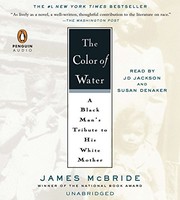
The Color of Water: A Black Man’s Tribute to His White Mother
by James McBride
The Color of Water: A Black Man’s Tribute to His White Mother is a captivating and enlightening memoir that delves into the complexities of poverty and education. This powerful book explores the intersection of race, identity, and the pursuit of knowledge.
In this thought-provoking memoir, author James McBride shares the remarkable story of his mother, Ruth, a white Jewish woman who married a black man in the 1940s. Ruth’s upbringing in a racially segregated community and her struggles with poverty and education form the backdrop of this compelling narrative.
Through alternating chapters, McBride weaves together his own experiences growing up as a black man in the 1960s and 70s with his mother’s history, ultimately painting a vivid picture of the challenges they both faced. The book offers a unique perspective on poverty and education, as it explores the ways in which Ruth’s determination and love for learning influenced her children’s lives.
McBride’s writing is both lyrical and raw, drawing readers into the heart of his family’s story. As he grapples with his own racial identity and searches for answers about his mother’s past, the reader is taken on a journey of self-discovery and understanding.
The Color of Water is more than just a book about poverty and education; it is a testament to the power of resilience, love, and the pursuit of knowledge. Through McBride’s poignant storytelling, readers are reminded of the transformative potential that education holds, even in the face of adversity.
Whether you are interested in memoirs, social issues, or simply enjoy a well-crafted narrative, The Color of Water is a must-read. It is a book that challenges our preconceived notions about race, poverty, and education, and leaves us with a profound understanding of the human spirit.

Educated: A Memoir
by Tara Westover
Educated: A Memoir by Tara Westover is a captivating book on poverty and education that takes readers on a remarkable journey of self-discovery and transformation.
In this compelling memoir, Westover recounts her upbringing in a strict, survivalist family in rural Idaho. Her parents, who believed in self-sufficiency and distrusted the government, kept their children out of school and away from mainstream society. As a result, Westover and her siblings grew up without any formal education, medical care, or even basic knowledge of the world beyond their isolated mountain home.
Despite the immense challenges she faced, Westover managed to educate herself, eventually earning a PhD from Cambridge University. Her relentless pursuit of knowledge, against all odds, is a testament to the power of resilience and the transformative potential of education.
This book about poverty and education highlights the profound impact that poverty, isolation, and lack of access to education can have on individuals and communities. Through her personal story, Westover sheds light on the importance of education not only as a means of acquiring knowledge but also as a tool for liberation and empowerment.
With its raw and evocative prose, Educated offers a thought-provoking exploration of the complexities of poverty and education. It examines the ways in which these two intertwined themes shape personal identity, relationships, and the pursuit of a better life. Westover’s memoir is a powerful reminder that education has the power to break cycles of poverty and transform lives.
If you are seeking a poignant and inspiring poverty and education book, Educated is a must-read. It will challenge your assumptions, ignite your curiosity, and leave you with a profound appreciation for the transformative power of education.
Random Family: Love, Drugs, Trouble, and Coming of Age in the Bronx
by Adrian Nicole LeBlanc
Random Family: Love, Drugs, Trouble, and Coming of Age in the Bronx by Adrian Nicole LeBlanc is a captivating book that delves into the complex and interwoven lives of individuals living in the Bronx. This remarkable narrative offers a raw and unflinching look at the struggles, challenges, and triumphs of those grappling with poverty and striving for better opportunities.
LeBlanc’s immersive storytelling takes readers on a journey through the lives of Jessica and Coco, two young women from the Bronx whose paths become entangled with the drug trade, love, and the relentless cycle of poverty. Through their stories, LeBlanc sheds light on the harsh realities faced by individuals and families living in underprivileged communities.
This book serves as a powerful examination of the impact of poverty on education, providing a nuanced understanding of the hurdles faced by young people trying to navigate an educational system that often fails to support them adequately. LeBlanc’s vivid and empathetic portrayal of the characters brings to light the systemic challenges and structural inequalities that hinder their educational advancement.
Random Family is not just a book about poverty and education; it is a profound exploration of the human spirit, resilience, and the pursuit of hope in the face of adversity. LeBlanc’s narrative style allows readers to intimately connect with the characters, experiencing their joys, sorrows, and the complex web of relationships that shape their lives.
Through her meticulous research and extensive interviews, LeBlanc provides an authentic and unfiltered portrait of life in the Bronx, challenging preconceived notions and giving voice to those often overlooked or misunderstood. Her storytelling illuminates the multifaceted nature of poverty and education, offering valuable insights into the systemic issues that perpetuate these challenges.
In conclusion, Random Family: Love, Drugs, Trouble, and Coming of Age in the Bronx is a compelling and thought-provoking book that explores the intricate connections between poverty, education, and the human experience. LeBlanc’s powerful narrative invites readers to reflect on the profound impact of these issues and the urgent need for systemic change.
The Glass Castle: A Memoir
by Jeannette Walls
The Glass Castle: A Memoir by Jeannette Walls is a captivating book on poverty and education that delves into the author’s tumultuous upbringing and the impact it had on her pursuit of knowledge.
In this compelling book about poverty and education, Walls recounts her unconventional childhood, growing up in extreme poverty with her eccentric parents and three siblings. Despite facing numerous challenges and living a nomadic lifestyle, Walls and her siblings find solace and escape through their shared love of books and learning.
Walls’ raw and honest storytelling paints a vivid picture of the harsh realities of poverty, as well as the resilience and determination it takes to rise above one’s circumstances. Through her experiences, she highlights the importance of education as a means of empowerment and self-discovery.
The Glass Castle is not just a poverty and education book, but also a testament to the human spirit and the enduring power of hope. Walls’ unwavering belief in the transformative power of education shines through, inspiring readers to never give up on their dreams, no matter the obstacles they may face.
This poverty and education book is a thought-provoking memoir that challenges societal norms and sheds light on the complexities of poverty and its impact on education. Walls’ powerful storytelling and poignant reflections make The Glass Castle a must-read for anyone seeking a deeper understanding of the human experience.
There Are No Children Here: The Story of Two Boys Growing Up in The Other America
by Alex Kotlowitz
“There Are No Children Here: The Story of Two Boys Growing Up in The Other America” is a gripping and eye-opening book on poverty and education that takes readers on a journey into the lives of two young boys, Lafeyette and Pharoah Rivers, as they navigate the harsh realities of growing up in one of Chicago’s most notorious housing projects.
Written by Alex Kotlowitz, this powerful narrative sheds light on the stark realities of life in poverty-stricken neighborhoods and the impact it has on education. The book delves into the challenges faced by Lafeyette and Pharoah, from their daily encounters with violence and drugs to the constant struggle to obtain a quality education amidst dilapidated schools and a lack of resources.
Kotlowitz’s storytelling is both compassionate and unflinching, as he paints a vivid picture of the boys’ lives, their hopes and dreams, and the obstacles they must overcome. Through their stories, he explores the complex web of systemic issues that perpetuate the cycle of poverty and hinder educational opportunities for countless children.
This book about poverty and education is a call to action, urging readers to confront the harsh realities faced by marginalized communities and to advocate for change. It challenges the commonly held stereotypes and misconceptions surrounding poverty, offering a deeply human perspective on the impact of socioeconomic factors on the lives of young people.
With its powerful storytelling and thought-provoking insights, “There Are No Children Here” is a must-read for anyone seeking to gain a deeper understanding of the intersection of poverty and education. It serves as a reminder of the urgent need for equitable access to quality education and the importance of addressing the systemic issues that perpetuate poverty in our society.
The Promise of a Pencil: How an Ordinary Person Can Create Extraordinary Change
by Adam Braun
The Promise of a Pencil: How an Ordinary Person Can Create Extraordinary Change is an inspiring book that explores the power of education in breaking the cycle of poverty. Author Adam Braun takes readers on a journey through his own experiences and the founding of his nonprofit organization, Pencils of Promise.
This captivating book delves into the intersection of poverty and education, showcasing how even an ordinary person can make a significant impact on the lives of others. Braun’s story is a testament to the transformative power of education, as he shares the profound impact that a single pencil can have on a child’s future.
Through his personal anecdotes and encounters with children in developing countries, Braun sheds light on the immense challenges faced by those living in poverty and the crucial role education plays in providing hope and opportunities. His passion for education and belief in the potential of every child is evident throughout the book, making it a heartfelt and motivational read.
The Promise of a Pencil is not just a book about poverty and education; it is a call to action for individuals to make a difference in the world. Braun’s message is clear: anyone, regardless of their background or resources, has the power to create lasting change. By sharing his own journey and the lessons he has learned, he empowers readers to take their own steps towards making a positive impact.
This book serves as a reminder that education is not a privilege but a fundamental right that should be accessible to all. It inspires readers to question the status quo and challenge the barriers that stand in the way of providing quality education to those who need it most.
The End of Poverty: Economic Possibilities for Our Time
by Jeffrey D. Sachs
The End of Poverty: Economic Possibilities for Our Time by Jeffrey D. Sachs is a groundbreaking and thought-provoking book that delves deep into the complex relationship between economic development, poverty, and education.
In this compelling work, Sachs, a world-renowned economist and director of the Earth Institute at Columbia University, explores the causes and consequences of poverty and offers innovative solutions for eradicating it once and for all. With a focus on the intersection of poverty and education, Sachs argues that education is not only a fundamental human right but also an essential tool for economic growth and development.
Through extensive research and analysis, Sachs demonstrates how investing in education can break the cycle of poverty and create a pathway to sustainable economic prosperity. He explores the various barriers that prevent access to education, such as lack of infrastructure, inadequate funding, and social inequalities, and proposes practical strategies to overcome these obstacles.
Moreover, Sachs examines the role of international aid and global cooperation in addressing the challenges of poverty and education. He highlights the importance of targeted investments in health, infrastructure, and technology, as well as the need for policy reforms and institutional changes to create an enabling environment for education and economic development.
The End of Poverty is not only a book on poverty and education; it is a call to action. Sachs emphasizes the moral imperative of ending extreme poverty and advocates for a comprehensive approach that combines economic, social, and political interventions. He argues that by harnessing the power of education and empowering individuals with the necessary knowledge and skills, we can create a more equitable and prosperous world for all.
In summary, The End of Poverty: Economic Possibilities for Our Time is a compelling and insightful book that explores the intricate relationship between poverty, education, and economic development. It offers a comprehensive roadmap for addressing the challenges of poverty through targeted investments in education and calls for global cooperation to build a more just and sustainable future.
The New Jim Crow: Mass Incarceration in the Age of Colorblindness
by Michelle Alexander
The New Jim Crow: Mass Incarceration in the Age of Colorblindness by Michelle Alexander is a groundbreaking book that delves into the systemic inequality and discrimination faced by African Americans in the United States criminal justice system. This eye-opening book explores the parallels between the current state of mass incarceration and the historical era of Jim Crow laws that enforced racial segregation and discrimination.
In this thought-provoking work, Alexander argues that the criminal justice system has become a new form of racial control, disproportionately targeting and imprisoning Black individuals. She reveals how the War on Drugs, initiated in the 1970s, has been used as a tool to perpetuate racial bias and maintain social control, creating a racial caste system that overwhelmingly affects communities of color.
Alexander challenges the notion of a “colorblind” society, demonstrating how the criminal justice system is anything but impartial. She exposes the consequences of this system, which perpetuates poverty, perpetuates educational disparities, and perpetuates social inequality. Through a careful analysis of statistical data and personal stories, she highlights the devastating impact of mass incarceration on individuals, families, and communities.
This book is not just about poverty and education, but it uncovers the intricate connections between poverty, education, and the criminal justice system. Alexander argues that the current system perpetuates a cycle of poverty and limited access to quality education for marginalized communities, further exacerbating racial disparities and social inequality.
The New Jim Crow is a powerful call to action, urging readers to confront the deeply ingrained biases and systemic injustices that plague our society. By shedding light on the hidden realities of the criminal justice system, Alexander challenges us to work towards a more just and equitable future, where all individuals, regardless of race or background, can thrive.
The Price of Inequality: How Today’s Divided Society Endangers Our Future
by Joseph E. Stiglitz
The Price of Inequality: How Today’s Divided Society Endangers Our Future by Joseph E. Stiglitz is an eye-opening book about the detrimental effects of income inequality on our society. In this thought-provoking piece of literature, Stiglitz explores the intricate relationship between wealth disparity and its impact on various aspects of our lives, particularly in the realms of poverty and education.
Stiglitz delves deep into the root causes of poverty and education inequality, shedding light on the systemic issues that perpetuate these disparities. Through extensive research and analysis, he uncovers the harsh truth about how our divided society is not only detrimental to those at the bottom of the economic ladder but also poses a threat to our collective future.
Using a compelling narrative style, Stiglitz presents a wealth of evidence and real-life stories to illustrate the profound consequences of income inequality on education. He highlights how unequal access to quality education perpetuates the cycle of poverty, making it increasingly difficult for individuals to escape their circumstances and achieve upward mobility.
Throughout the book, Stiglitz challenges the prevailing narratives and ideologies that perpetuate inequality, offering alternative solutions and policies to address these pressing issues. He emphasizes the importance of investing in education and creating a fair and inclusive society that provides equal opportunities for all.
Whether you are an advocate for social justice or simply curious about the dynamics of poverty and education, this book is a must-read. Stiglitz’s compelling arguments and comprehensive research will leave you not only informed but also inspired to take action and work towards a more equitable future.
The Spirit Level: Why Greater Equality Makes Societies Stronger
by Richard Wilkinson and Kate Pickett
The Spirit Level: Why Greater Equality Makes Societies Stronger, written by Richard Wilkinson and Kate Pickett, is a thought-provoking book that explores the intricate relationship between inequality and societal well-being. This compelling masterpiece delves into the effects of income disparity on various aspects of human life, making it a must-read for anyone interested in understanding the profound impacts of inequality on poverty and education.
The Warmth of Other Suns: The Epic Story of America’s Great Migration
by Isabel Wilkerson
“The Warmth of Other Suns: The Epic Story of America’s Great Migration” by Isabel Wilkerson is a groundbreaking book that delves into the untold stories of millions of African Americans who fled the oppressive poverty and limited educational opportunities of the Jim Crow South in search of a better life in the North and West.
This powerful and eye-opening narrative takes readers on a journey through the lives of three individuals who represent the countless others who made the difficult decision to uproot their lives and embark on a perilous journey to escape the shackles of poverty and limited education. Through their stories, Wilkerson skillfully weaves together a compelling tapestry of the challenges, triumphs, and sacrifices that defined the Great Migration.
Wilkerson’s meticulous research and engaging storytelling transport readers to a time when segregation and systemic racism were pervasive, and access to quality education was a distant dream for many African Americans. The book paints a vivid picture of the economic and educational disparities that plagued the South, pushing individuals to seek refuge in the North and West, where they hoped to find better opportunities for themselves and their families.
By exploring the experiences of these courageous migrants, Wilkerson shines a light on the profound impact the Great Migration had on shaping the social, cultural, and educational landscape of America. She reveals the resilience and determination of individuals who refused to accept a life of poverty and limited education, and instead forged their own paths towards success and empowerment.
“The Warmth of Other Suns” is a poignant and thought-provoking book that not only sheds light on a pivotal moment in American history but also serves as a powerful reminder of the enduring struggles faced by marginalized communities in their pursuit of a better life. Through the lens of poverty and education, Wilkerson’s work invites readers to reflect on the ongoing challenges and inequalities that continue to shape our society today.
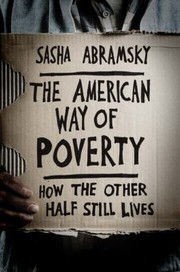
The American Way of Poverty: How the Other Half Still Lives
by Sasha Abramsky
The American Way of Poverty: How the Other Half Still Lives by Sasha Abramsky is a compelling and eye-opening book that delves into the intricate relationship between poverty and education in the United States. With meticulous research and powerful storytelling, Abramsky sheds light on the harsh realities faced by millions of Americans living in poverty, and how this dire situation intersects with the education system.
Through vivid anecdotes and personal interviews, Abramsky paints a vivid picture of the struggles and challenges that low-income families and individuals face in their pursuit of education. He explores how poverty, or economic hardship, acts as a formidable barrier to accessing quality education and upward mobility. From underfunded schools to limited resources and inadequate support systems, Abramsky exposes the deeply rooted inequalities that perpetuate the cycle of poverty and hinder educational opportunities for the most vulnerable members of society.
Moreover, Abramsky delves into the devastating consequences of this systemic issue, highlighting the profound impact it has on individuals, families, and communities. He explores how poverty and a lack of educational opportunities contribute to a range of social problems, such as unemployment, crime, and health disparities. By examining these interconnected issues, Abramsky offers a comprehensive understanding of the complex web of poverty and education in America.
However, amidst the bleakness and despair, The American Way of Poverty also provides glimmers of hope. Abramsky shares stories of resilience, community activism, and innovative solutions that individuals and organizations are employing to combat poverty and improve educational outcomes. He emphasizes the importance of collective action and policy changes to address the root causes of poverty and create a more equitable society.
In conclusion, The American Way of Poverty: How the Other Half Still Lives is a thought-provoking and powerful book that explores the intricate relationship between poverty and education in the United States. With its compelling narratives and insightful analysis, this book serves as a call to action to address the systemic issues that perpetuate poverty and hinder educational opportunities for millions of Americans. It is a must-read for anyone interested in understanding and confronting the challenges faced by marginalized communities in America.

The Unbanking of America: How the New Middle Class Survives
by Lisa Servon
The Unbanking of America: How the New Middle Class Survives by Lisa Servon is an eye-opening book on poverty and education that delves into the complex relationship between financial services, poverty, and education. Servon, a professor and former bank teller, takes readers on a journey through the lives of the underserved middle class, exploring the challenges they face in accessing traditional banking services.
In this thought-provoking book about poverty and education, Servon challenges the conventional wisdom that low-income individuals are simply unbanked due to lack of access or financial illiteracy. Through extensive research and personal interviews, she reveals that many people choose to be unbanked or underbanked as a means of survival in an increasingly volatile financial system.
Servon’s in-depth analysis uncovers the hidden costs and pitfalls of traditional banking, such as high fees, predatory lending practices, and impersonal customer service. She explores alternative financial services that have emerged to meet the needs of the unbanked and underbanked, including payday lenders, check cashers, and mobile banking apps.
By highlighting the stories of individuals who have been left behind by the traditional banking system, Servon shines a light on the urgent need for financial inclusion and education. She argues that improving access to affordable and transparent financial services is crucial for breaking the cycle of poverty and promoting economic mobility.
The Unbanking of America is a compelling poverty and education book that challenges our assumptions about poverty and financial services. Servon’s engaging storytelling and rigorous research make this book an essential read for anyone interested in understanding the complex relationship between poverty, education, and the financial system.
Conclusion
In conclusion, these 20 books about poverty and education provide valuable insights and perspectives on the complex relationship between these two critical issues. Whether you are a teacher, a student, a policy-maker, or simply someone interested in understanding the challenges faced by marginalized communities, these books offer a wealth of knowledge and inspiration. From personal narratives to scholarly research, each book sheds light on the systemic inequalities that perpetuate poverty and hinder educational opportunities. By reading and engaging with these texts, we can better understand the root causes of poverty and work towards creating a more equitable society. So, dive into these books and start exploring the intersection of poverty and education today!