Are you a software developer looking for some inspiration? Look no further! We’ve compiled a list of the 20 best books about software development that will not only expand your knowledge but also ignite your creativity. Whether you’re a beginner or an experienced coder, these books cover a wide range of topics, from programming languages and algorithms to project management and software architecture. So grab a cup of coffee, cozy up with a book, and get ready to take your coding skills to the next level with these must-read software development books!
Contents
- 1 Clean Code
- 2 The Pragmatic Programmer
- 3 Design Patterns: Elements of Reusable Object-Oriented Software
- 4 Refactoring: Improving the Design of Existing Code
- 5 Code Complete
- 6 Domain-Driven Design: Tackling Complexity in the Heart of Software
- 7 The Mythical Man-Month: Essays on Software Engineering
- 8 Introduction to the Theory of Computation
- 9 The Art of Computer Programming
- 10 Structure and Interpretation of Computer Programs
- 11 Agile Software Development, Principles, Patterns, and Practices
- 12 Test-Driven Development: By Example
- 13 Patterns of Enterprise Application Architecture
- 14 The Clean Coder: A Code of Conduct for Professional Programmers
- 15 Head First Design Patterns
- 16 Introduction to Algorithms
- 17 The Art of Agile Development
- 18 The Phoenix Project: A Novel About IT, DevOps, and Helping Your Business Win
- 19 Software Engineering: A Practitioner’s Approach
- 20 The Lean Startup: How Today’s Entrepreneurs Use Continuous Innovation to Create Radically Successful Businesses
- 21 Conclusion
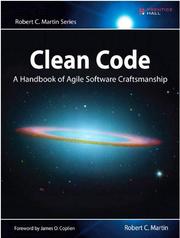
Clean Code
by Robert C. Martin
Clean Code: A Masterpiece for Software Development
Welcome to the world of software craftsmanship! Clean Code by Robert C. Martin is an exceptional book on the art of writing elegant, maintainable, and high-quality code. If you’re an aspiring or seasoned software developer, this book is a must-read.
Clean Code is like a guiding light through the labyrinth of software development. It provides invaluable insights and practical advice on how to transform your code from messy and convoluted to clean and comprehensible.
Consider this book your secret weapon for conquering the challenges of software development. Martin presents a set of principles, patterns, and best practices that will elevate your coding skills to new heights. With each chapter, you’ll uncover the secrets behind writing code that is easy to read, understand, and maintain.
Forget about the days of tangled spaghetti code and debugging nightmares. Clean Code empowers you to become a true craftsman, capable of producing software that is a joy to work with. Martin’s expertise and passion shine through as he takes you on a journey of code transformation.
Whether you’re a beginner looking to establish a solid foundation or an experienced developer seeking to refine your skills, Clean Code is the definitive book about software development. Dive into its pages and unlock the secrets to crafting clean, elegant, and maintainable code that will stand the test of time.

The Pragmatic Programmer
by Andrew Hunt and David Thomas
The Pragmatic Programmer is a remarkable book on the art of crafting software. It is a treasure trove of wisdom and practical advice, written by Andrew Hunt and David Thomas. Considered a classic in the field, this book about software development is a must-read for anyone looking to sharpen their skills and become a more effective programmer.
Design Patterns: Elements of Reusable Object-Oriented Software
by Erich Gamma, Richard Helm, Ralph Johnson, and John Vlissides
Design Patterns: Elements of Reusable Object-Oriented Software is an absolute gem for anyone looking to dive deep into the world of software development. This masterpiece, written by Erich Gamma, Richard Helm, Ralph Johnson, and John Vlissides, is not just another book about software development – it is THE software development book that has stood the test of time.
So, what exactly are design patterns, you may ask? Well, think of them as tried and tested solutions to common problems that software developers face. These patterns are like the building blocks of robust and maintainable code, ensuring that your software doesn’t turn into an unruly mess.
Now, you might be thinking, “Why do I need a book on software development when I can just Google these patterns?” Ah, my friend, that’s where the beauty of this book lies. It takes these design patterns and presents them in a comprehensive and easily digestible manner. Each pattern is explained with real-world examples, code snippets, and practical tips, making it a true companion for any programmer.
Whether you’re a seasoned developer looking to level up your skills or a newbie just starting out in the world of software development, this book has something for everyone. It covers a wide range of patterns, including creational, structural, and behavioral patterns, giving you a solid foundation to build upon.
So, if you’re ready to unlock the secrets of elegant and reusable code, grab a copy of Design Patterns: Elements of Reusable Object-Oriented Software and embark on a journey that will forever change the way you approach software development.
Refactoring: Improving the Design of Existing Code
by Martin Fowler
Refactoring: Improving the Design of Existing Code by Martin Fowler is a game-changing book on software development. If you’ve ever found yourself tangled in messy code or struggling to make changes without introducing bugs, this book is your guiding light.
But what exactly does “refactoring” mean? Think of it as the art of improving and optimizing existing code without changing its external behavior. It’s like renovating a house to make it more functional and beautiful, without altering its overall structure.
In this software development book, Fowler takes you on a journey through the world of refactoring, teaching you the techniques and principles needed to transform your codebase into a masterpiece. He explores various refactorings for different scenarios, providing real-life examples and case studies to illustrate their effectiveness.
Why should you care about refactoring? Well, imagine having a codebase that is clean, understandable, and easy to modify. Refactored code is less prone to bugs, easier to maintain, and more enjoyable to work with. It’s like having a well-oiled machine that runs smoothly and efficiently.
Whether you’re a seasoned developer or just starting your software development journey, Refactoring is a must-read. It equips you with the tools and mindset needed to tackle even the most complex codebases. So, grab a copy, roll up your sleeves, and embark on a journey of transforming your code into a work of art.
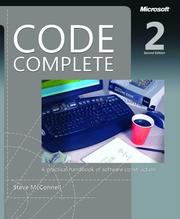
Code Complete
by Steve McConnell
Code Complete by Steve McConnell is an absolute gem for anyone looking to master the art of crafting high-quality software. This masterpiece is not just any ordinary book on software development; it’s a true bible for aspiring programmers and seasoned developers alike.
Within the pages of Code Complete, McConnell takes you on an enlightening journey through the vast realm of software development, providing invaluable insights, tips, and best practices every step of the way. This isn’t just a book about software development; it’s an immersive experience that will transform the way you approach coding.
With a plethora of examples, case studies, and real-life scenarios, McConnell covers every essential aspect of the software development process. From design principles and coding techniques to testing strategies and project management, this software development book leaves no stone unturned.
What sets Code Complete apart from other books in the same genre is McConnell’s ability to blend technical knowledge with practical wisdom. He not only teaches you how to write clean and efficient code but also instills a deep understanding of the underlying principles that drive successful software development.
Whether you’re a novice programmer looking to build a strong foundation or a seasoned pro aiming to refine your skills, Code Complete is the ultimate resource to take your software development journey to the next level. So, grab a copy, dive in, and unlock the secrets to becoming a master craftsman in the world of code.
Domain-Driven Design: Tackling Complexity in the Heart of Software
by Eric Evans
Domain-Driven Design: Tackling Complexity in the Heart of Software by Eric Evans is an extraordinary book on software development that dives deep into the intricate world of building complex software systems. Evans takes readers on a journey where he introduces the concept of Domain-Driven Design, a revolutionary approach to creating software that is driven by the core domain of the problem at hand.
This book about software development emphasizes the importance of understanding the domain in which the software operates and aligning the software design with the domain’s intricacies. Evans argues that by focusing on the domain, developers can create software that accurately represents and solves the problems faced by the users.
Evans provides a comprehensive guide on how to identify and define the core domain, the heart of the software, and how to create a model that effectively captures the domain’s complexities and nuances. He introduces concepts such as bounded contexts, ubiquitous language, and aggregates, which are essential building blocks for developing software that is both maintainable and adaptable.
Throughout this software development book, Evans shares practical examples, case studies, and insights from his own experiences, making the concepts and principles relatable and applicable. He also addresses common pitfalls and challenges that developers may encounter when implementing Domain-Driven Design, offering valuable advice on how to overcome them.
Whether you are a seasoned software developer or just starting your journey in the field, this book on software development will undoubtedly expand your understanding of building complex software systems. It challenges conventional thinking and provides a fresh perspective on how to tackle complexity in the heart of software.
The Mythical Man-Month: Essays on Software Engineering
by Frederick P. Brooks Jr.
The Mythical Man-Month is a legendary book on software engineering written by Frederick P. Brooks Jr. This classic work explores the challenges and complexities of software development, offering invaluable insights and timeless wisdom for anyone involved in the field.
Brooks tackles the mythical belief that adding more manpower to a late software project will speed up its completion. He debunks this misconception, emphasizing that software development is not simply a matter of throwing more people at a problem. Instead, he delves into the intricacies of team dynamics, communication, and coordination, highlighting the vital role of good management and effective leadership in successful software projects.
This book about software development is filled with anecdotes and real-world examples that illustrate the key principles and pitfalls of software engineering. Brooks covers a wide range of topics, from the importance of conceptual integrity and modular design to the challenges of estimating project timelines and managing risks.
Whether you are a seasoned software engineer or just starting your journey in the world of programming, this software development book is a must-read. With its timeless insights and practical advice, The Mythical Man-Month will help you navigate the complexities of software development and become a more effective and efficient professional in the field.

Introduction to the Theory of Computation
by Michael Sipser
Welcome to the world of computation! If you are a curious mind looking to venture into the fascinating realm of algorithms, languages, and complexity, then Michael Sipser’s Introduction to the Theory of Computation is the perfect gateway to embark on your journey.
This influential book on software development is a remarkable guide that explores the fundamental principles and concepts underlying the theory of computation. Sipser expertly presents a comprehensive overview of automata theory, formal languages, and complexity theory, all essential pillars in the realm of software development.
With an engaging and accessible writing style, Sipser invites readers to unravel the mysteries of computation and dive into the core concepts of Turing machines, regular languages, context-free languages, and more. The book seamlessly transitions from introductory material to more advanced topics, making it suitable for both beginners and those seeking a deeper understanding.
Through numerous real-world examples, insightful exercises, and thought-provoking problems, Sipser encourages readers to think critically, develop problem-solving skills, and gain a solid foundation in the theory of computation. Whether you are a student, researcher, or simply someone eager to expand their knowledge in the field of software development, this book provides a valuable resource that will undoubtedly enhance your understanding.
So, if you’re ready to unlock the secrets behind the power and limits of computation, grab a copy of Introduction to the Theory of Computation and embark on an exhilarating journey into the heart of software development. Get ready to explore the intricate tapestry of algorithms and languages that shape the digital world we live in.
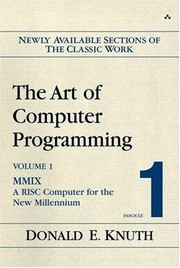
The Art of Computer Programming
by Donald E. Knuth
The Art of Computer Programming by Donald E. Knuth is a legendary opus, a magnum opus, a masterpiece in the realm of software development. It is a book on the artistry and craftsmanship of coding, a book about the intricacies and complexities of algorithms and data structures, a book that embodies the very essence of the software development journey.
Structure and Interpretation of Computer Programs
by Harold Abelson and Gerald Jay Sussman
Structure and Interpretation of Computer Programs
Looking to dive into the captivating world of software development? Look no further than Structure and Interpretation of Computer Programs! This extraordinary book on software development written by Harold Abelson and Gerald Jay Sussman is a must-read for anyone interested in understanding the fundamental principles of programming.
Whether you’re a seasoned developer or a curious beginner, this book about software development will take you on an intellectual journey like no other. Abelson and Sussman have masterfully crafted a comprehensive guide that goes beyond teaching you how to write code. They explore the very essence of computation, dissecting the principles and techniques that underpin every software system.
Through a series of engaging examples and thought-provoking exercises, Structure and Interpretation of Computer Programs challenges you to think critically, encouraging you to approach programming from a deeper perspective. You’ll learn how to design elegant and efficient programs, grasp the power of abstraction, and gain a profound understanding of how software can be used to solve real-world problems.
This software development book is not just about learning a specific programming language or framework; it’s about developing a mindset that will empower you to tackle complex problems and build innovative solutions. By the time you reach the final page, you’ll have a solid foundation in programming concepts that will serve as a springboard for your future endeavors in the world of software development.
So, if you’re ready to embark on an intellectual adventure that will transform the way you think about programming, grab a copy of Structure and Interpretation of Computer Programs and prepare to delve deep into the captivating world of software development!
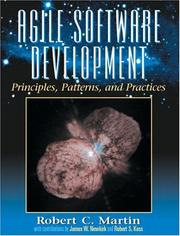
Agile Software Development, Principles, Patterns, and Practices
by Robert C. Martin
Agile Software Development, Principles, Patterns, and Practices by Robert C. Martin is a groundbreaking book on software development that revolutionizes the way we approach building software. It is not just another ordinary book about software development, but rather a comprehensive guide that combines both theory and practical examples to help developers improve their skills.
The book dives deep into the fundamental principles of agile development, emphasizing the importance of collaboration, flexibility, and continuous improvement. It introduces a set of proven software development practices that enable teams to deliver high-quality code efficiently and effectively.
Throughout the book, Martin presents numerous real-world examples and case studies to illustrate the concepts and techniques discussed. He also introduces a collection of patterns that address common challenges faced by software developers, offering practical solutions that can be applied in various contexts.
One of the key aspects of this book is its focus on clean code and the importance of writing maintainable software. Martin emphasizes the significance of code readability, simplicity, and testability, providing guidelines and best practices for achieving these qualities.
Whether you are an experienced developer looking to enhance your skills or a beginner seeking to grasp the fundamentals of agile development, this software development book is an invaluable resource. It offers a comprehensive and practical guide to building software using agile principles, patterns, and practices.

Test-Driven Development: By Example
by Kent Beck
“Test-Driven Development: By Example” by Kent Beck is a remarkable book on the art of crafting software through a unique approach. This book about software development dives deep into the world of Test-Driven Development (TDD), a methodology that puts testing at the forefront of the development process.
Beck, a renowned software developer, takes readers on a captivating journey, unveiling the secrets of TDD with a hands-on approach. The book serves as a guide, providing practical examples and real-world scenarios to help developers master the art of TDD.
With TDD, software developers write tests first before writing the actual code. This approach allows for a more systematic and reliable development process, reducing the chances of errors and bugs. The book highlights the importance of writing tests as a means of understanding the desired outcome and ensuring the code meets the intended requirements.
Beck’s writing style is engaging and accessible, making complex concepts and techniques easy to grasp. Through his anecdotes and experiences, he brings the process of TDD to life, making it a captivating read for both seasoned developers and novices.
Whether you are a software development enthusiast or a professional looking to enhance your skills, “Test-Driven Development: By Example” is a must-read. This software development book will equip you with the knowledge and tools to create robust and reliable code, ensuring that your software development projects are a success.
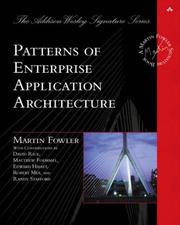
Patterns of Enterprise Application Architecture
by Martin Fowler
Patterns of Enterprise Application Architecture by Martin Fowler is a captivating book on the art of building robust and scalable software systems. This masterpiece delves deep into the intricate world of software development, offering invaluable insights and practical guidance for architects, developers, and anyone passionate about crafting elegant and efficient solutions.
The Clean Coder: A Code of Conduct for Professional Programmers
by Robert C. Martin
The Clean Coder: A Code of Conduct for Professional Programmers by Robert C. Martin is a game-changing book on software development that every programmer should embrace. This incredible book about software development serves as a guiding light, providing programmers with a code of conduct to follow in order to become true professionals.
Head First Design Patterns
by Eric Freeman, Elisabeth Robson, Bert Bates, and Kathy Sierra
Head First Design Patterns is a dynamic and interactive book on software development that takes you on an exciting journey through the world of design patterns. Written by Eric Freeman, Elisabeth Robson, Bert Bates, and Kathy Sierra, this book about software development breaks down complex concepts into easy-to-understand explanations, using a visually engaging and interactive approach.
With Head First Design Patterns, you’ll discover how to tackle common software development challenges by utilizing proven design patterns. Each chapter is filled with real-world examples, puzzles, quizzes, and exercises that will test your understanding and help you apply the principles and techniques discussed.
Whether you’re a beginner or an experienced developer, this software development book will equip you with the knowledge and skills needed to create flexible, reusable, and maintainable code. Get ready to dive into the world of design patterns and take your software development skills to the next level!
Introduction to Algorithms
by Thomas H. Cormen, Charles E. Leiserson, Ronald L. Rivest, and Clifford Stein
“Introduction to Algorithms” is an immensely popular and influential book on the fascinating world of algorithms, which lies at the heart of software development. This comprehensive masterpiece, written by Thomas H. Cormen, Charles E. Leiserson, Ronald L. Rivest, and Clifford Stein, serves as a guiding light for programmers, engineers, and computer scientists alike.
The Art of Agile Development
by James Shore and Shane Warden
The Art of Agile Development is a captivating book on the art of agile development. Written by James Shore and Shane Warden, this masterpiece is a must-read for anyone interested in the fascinating world of software development.
In this enlightening book about software development, the authors delve deep into the principles and practices of agile development, providing readers with a comprehensive understanding of how to successfully navigate the ever-changing landscape of the software industry.
Whether you’re a seasoned professional or a curious beginner, this software development book will guide you through the art of agile development, equipping you with the knowledge and tools to excel in this dynamic field. With its clear and concise explanations, practical examples, and insightful anecdotes, it’s like having two experienced mentors by your side, guiding you every step of the way.
The Art of Agile Development goes beyond the technical aspects of software development, exploring the importance of collaboration, communication, and continuous improvement. It emphasizes the human side of development, highlighting the value of teamwork, creativity, and adaptability in delivering exceptional results.
Whether you’re looking to enhance your skills, improve your team’s performance, or gain a fresh perspective on software development, this book on software development is a true gem. So, grab a copy, dive into the art of agile development, and embark on an incredible journey of growth and mastery in the world of software development.
The Phoenix Project: A Novel About IT, DevOps, and Helping Your Business Win
by Gene Kim, Kevin Behr, and George Spafford
The Phoenix Project: A Novel About IT, DevOps, and Helping Your Business Win is a captivating and insightful book on software development. Written by Gene Kim, Kevin Behr, and George Spafford, this book about software development takes readers on a thrilling journey through the world of IT and business operations.
The story revolves around Bill, an overwhelmed IT manager who finds himself in a sinking ship as his company’s critical IT projects continue to fail. With mounting pressure from the CEO and the threat of losing his job, Bill embarks on a mission to save the company and its IT department.
Guided by a mysterious and wise mentor named Erik, Bill learns about the principles of DevOps, a methodology that emphasizes collaboration, automation, and continuous improvement in software development. As Bill and his team implement DevOps practices, they face numerous challenges, from technical issues to resistance from colleagues.
Through the engaging narrative, the authors effectively illustrate the importance of aligning IT with business goals and the transformative power of DevOps in solving complex problems. The book provides valuable insights into the world of software development, showcasing the need for efficient communication, streamlined processes, and a culture of continuous learning and improvement.
Whether you’re a seasoned IT professional, a business leader, or someone simply interested in the world of technology, this software development book offers practical lessons wrapped in an engaging story. It showcases the struggles and triumphs of IT professionals and provides actionable strategies for improving IT operations and driving business success.
Software Engineering: A Practitioner’s Approach
by Roger S. Pressman
Software Engineering: A Practitioner’s Approach by Roger S. Pressman is an exceptional book on the art and science of crafting software. Considered a bible in the realm of software development, this literary masterpiece provides a comprehensive and practical guide for aspiring engineers and seasoned professionals alike.
Throughout the pages of this book, Pressman delves deep into the intricacies of software development, unraveling the mysteries that lie behind the creation of robust and reliable applications. From the fundamental principles to the latest methodologies and technologies, Software Engineering: A Practitioner’s Approach leaves no stone unturned in its quest to enlighten its readers.
With its engaging writing style and insightful anecdotes, this book transforms what could be a dry and technical subject into an exciting journey of discovery. Pressman’s passion for the field of software engineering shines through, making the reader feel inspired and motivated to embrace this ever-evolving discipline.
Whether you are a student just starting your journey in the world of software development or a seasoned professional looking to expand your knowledge, this book is a must-have. Its wealth of information, practical examples, and real-world case studies make it an invaluable resource that will undoubtedly enhance your understanding and expertise in software engineering.
So, if you are seeking a book about software development that will captivate your mind, challenge your skills, and ignite your passion for creating innovative software solutions, look no further. Software Engineering: A Practitioner’s Approach is the definitive software development book that will take you on an unforgettable journey of learning and growth.
The Lean Startup: How Today’s Entrepreneurs Use Continuous Innovation to Create Radically Successful Businesses
by Eric Ries
The Lean Startup: How Today’s Entrepreneurs Use Continuous Innovation to Create Radically Successful Businesses by Eric Ries is a game-changing book about software development. Ries provides a fresh perspective on entrepreneurship, urging readers to embrace a lean and iterative approach to building businesses.
In this software development book, Ries challenges the traditional notion of meticulously planning and executing a business idea before launching it. Instead, he advocates for a methodology that emphasizes rapid experimentation, customer feedback, and continuous adaptation. By following this approach, entrepreneurs can minimize the risks associated with starting a new venture and increase their chances of success.
Ries introduces the concept of the Minimum Viable Product (MVP), which is a basic version of a product that allows entrepreneurs to validate their assumptions and gather feedback from early adopters. He emphasizes the importance of learning from failures and using data to drive decision-making. Ries also introduces the Build-Measure-Learn feedback loop, which encourages entrepreneurs to quickly build, measure the impact of their product, and learn from the results to inform future iterations.
The Lean Startup is not just a book about software development; it is a mindset shift that challenges entrepreneurs to think differently about how they build and grow their businesses. Ries shares his own experiences as a startup founder and provides practical advice and actionable strategies for implementing lean principles. Whether you’re a seasoned entrepreneur or just starting out, this book will inspire you to embrace continuous innovation and create radically successful businesses.
Conclusion
In conclusion, these 20 books about software development are essential resources for both beginners and experienced professionals in the field. Whether you are looking to enhance your coding skills, learn new programming languages, or gain insights into software engineering practices, these books cover a wide range of topics that will help you stay up-to-date with the ever-evolving world of technology. So, grab a copy of these books and embark on a journey to become a master in software development!