Are you tired of making mistakes and feeling like a failure? Don’t worry, you’re not alone. In fact, some of the world’s most successful people have made countless mistakes on their journey to greatness. If you’re looking for some inspiration and guidance on how to embrace and learn from your mistakes, look no further. We’ve compiled a list of the 20 best books about mistakes that will not only help you navigate through life’s challenges but also teach you valuable lessons along the way. So, grab a cup of coffee and get ready to dive into these insightful books on mistakes!
Contents
- 1 The Subtle Art of Not Giving a F*ck
- 2 Thinking, Fast and Slow
- 3 Mistakes Were Made (But Not by Me)
- 4 The Power of Now
- 5 The Undoing Project
- 6 The 7 Habits of Highly Effective People
- 7 The Art of Thinking Clearly
- 8 The Innovator’s Dilemma
- 9 The Black Swan: The Impact of the Highly Improbable
- 10 Predictably Irrational
- 11 The Lean Startup
- 12 The Checklist Manifesto
- 13 Sapiens: A Brief History of Humankind
- 14 Nudge: Improving Decisions About Health, Wealth, and Happiness
- 15 The Four Agreements
- 16 The Paradox of Choice: Why More Is Less
- 17 The Wisdom of Crowds
- 18 The Innovators: How a Group of Hackers, Geniuses, and Geeks Created the Digital Revolution
- 19 The Design of Everyday Things
- 20 The Up Side of Down: Why Failing Well Is the Key to Success
- 21 Conclusion
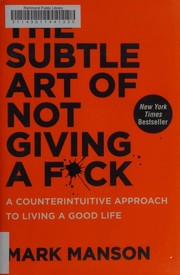
The Subtle Art of Not Giving a F*ck
by Mark Manson
The Subtle Art of Not Giving a F*ck – Overview
The Subtle Art of Not Giving a F*ck – Overview
Are you tired of trying to be perfect and constantly worrying about making mistakes? If so, The Subtle Art of Not Giving a F*ck by Mark Manson is the book for you!
This captivating and thought-provoking book offers a unique perspective on life and challenges the traditional notion that we must always strive for success and avoid making mistakes at all costs. Instead, Manson argues that it is our ability to embrace and learn from our mistakes that truly defines our happiness and personal growth.
In this refreshing take on self-help, Manson encourages readers to focus on what truly matters to them and let go of the incessant need for external validation. By shifting our attention away from trivial things and embracing the discomfort of making mistakes, we can find a sense of purpose and fulfillment that extends beyond the fear of failure.
With his signature blend of humor and raw honesty, Manson shares personal anecdotes and practical advice that will resonate with anyone seeking a more meaningful and authentic life. He challenges the reader to reassess their values, confront their fears, and accept the inevitable mistakes that come with being human.
By the end of this empowering book, you’ll feel inspired to take control of your life, let go of societal expectations, and focus on what truly matters to you. The Subtle Art of Not Giving a F*ck is not just a book about mistakes – it’s a guidebook to living a life that aligns with your own values and priorities.
Thinking, Fast and Slow
by Daniel Kahneman
Thinking, Fast and Slow by Daniel Kahneman is not just any ordinary book on mistakes; it is a captivating exploration into the human mind and the fascinating ways in which we make errors in judgement. Dubbed as a “book about mistakes,” this thought-provoking masterpiece delves into the intricate workings of our brain, revealing the dual systems that drive our decision-making process.
Kahneman introduces two modes of thinking: System 1, which operates quickly and intuitively, and System 2, which is slower and more deliberate. Through a series of captivating anecdotes and experiments, he uncovers the biases and cognitive illusions that plague our everyday lives. From the illusion of skill to the power of framing, Kahneman uncovers the hidden forces that lead us astray.
This “mistakes book” challenges our conventional beliefs about rationality and exposes the flaws in our decision-making. With each page, Kahneman invites us to question our own thought processes, encouraging us to think critically and become more aware of the biases that cloud our judgement.
Thinking, Fast and Slow is not just a book about mistakes; it is a journey into the depths of human cognition. By unraveling the mysteries of our mind, Kahneman equips us with the tools to navigate through the complex world of decision-making, ultimately leading us to a deeper understanding of ourselves and the choices we make.

Mistakes Were Made (But Not by Me)
by Carol Tavris and Elliot Aronson
Mistakes happen to the best of us. They are an inevitable part of life, but have you ever wondered why we make them in the first place? That’s exactly what the captivating book, “Mistakes Were Made (But Not by Me)” by Carol Tavris and Elliot Aronson seeks to explore. This enlightening masterpiece delves into the intricate world of human error, providing a fascinating look at the psychology behind our inclination to make mistakes.
The Power of Now
by Eckhart Tolle
The Power of Now by Eckhart Tolle is not just another book on mistakes, but a profound exploration of the human condition and our tendency to get caught up in the past or future, rather than living in the present moment. Tolle’s insightful and practical teachings offer a fresh perspective on how to break free from the habitual patterns of thinking and behaving that keep us trapped in a cycle of suffering.
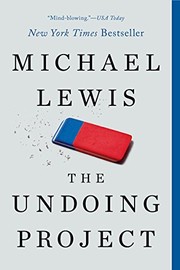
The Undoing Project
by Michael Lewis
The Undoing Project by Michael Lewis is a captivating book that delves into the fascinating world of human error and the impact it has on decision-making. This thought-provoking read explores the intricacies of our minds and how we often fall prey to cognitive biases and shortcuts that lead to mistakes. It’s a book about the fallibility of the human condition, the errors we make, and the consequences that follow. With Lewis’ signature storytelling style, this book on mistakes takes you on a journey through the minds of two brilliant psychologists who revolutionized our understanding of decision-making. Prepare to be enthralled as you uncover the hidden workings of our minds and how they shape our choices. So if you’re looking for a captivating mistakes book that will challenge your thinking and leave you questioning your own biases, The Undoing Project is a must-read.

The 7 Habits of Highly Effective People
by Stephen R. Covey
The 7 Habits of Highly Effective People – Book Overview
The 7 Habits of Highly Effective People
Are you tired of making the same blunders over and over again? Looking for a way to break free from the cycle of errors and start achieving your goals? Well, look no further! Stephen R. Covey’s The 7 Habits of Highly Effective People is the ultimate guide to transforming your life by learning from the mishaps and miscues we all encounter.
This book is not just another book about mistakes; it’s a game-changer that will help you cultivate the habits necessary to succeed in every aspect of your life. Covey’s insights will help you navigate through life’s challenges and make better decisions, leading to greater personal and professional fulfillment.
In The 7 Habits of Highly Effective People, Covey outlines seven powerful habits that will revolutionize your way of thinking and propel you towards success. These habits provide a framework for personal growth and effectiveness, enabling you to overcome obstacles, build strong relationships, and achieve your goals.
Through relatable anecdotes, compelling stories, and practical advice, Covey demonstrates how these habits can be applied in everyday situations. From taking responsibility for your actions to prioritizing your tasks, this book offers invaluable guidance on how to avoid missteps and make the most out of every opportunity.
So, if you’re ready to break free from the monotony of mistakes and unleash your full potential, dive into The 7 Habits of Highly Effective People and start your journey towards personal and professional excellence. Don’t miss out on this life-changing opportunity to transform your life for the better!
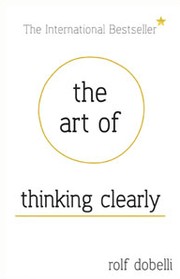
The Art of Thinking Clearly
by Rolf Dobelli
The Art of Thinking Clearly by Rolf Dobelli is a fascinating exploration into the intricate and often perplexing workings of the human mind. This enlightening book serves as a guide to help readers navigate through the multitude of cognitive errors and biases that we routinely make in our daily lives. With a keen focus on decision-making and problem-solving, Dobelli offers a fresh perspective on the various pitfalls that can lead us astray.
Delving into a wide range of topics, Dobelli examines the many cognitive biases that cloud our judgment and hinder our ability to think clearly. From confirmation bias, where we seek out information that confirms our preconceived notions, to survivorship bias, where we only consider the successes and overlook the failures, this book provides a comprehensive understanding of the subtle ways in which our mind can deceive us.
Particularly intriguing is Dobelli’s exploration of the “sunk cost fallacy,” where we continue to invest time, money, or energy into something simply because we have already invested so much. By shedding light on this common mistake, Dobelli empowers readers to break free from this illogical thinking pattern and make more rational decisions.
Throughout the book, Dobelli presents numerous real-life examples and anecdotes that illustrate the consequences of our flawed thinking. From financial disasters to personal relationships, each example serves as a cautionary tale, highlighting the importance of cultivating clear thinking.
While The Art of Thinking Clearly is undoubtedly a book about mistakes, it is also a book about learning from these mistakes and improving our decision-making abilities. Dobelli’s insightful analysis and practical advice make this book an essential read for anyone seeking to enhance their critical thinking skills and avoid falling into the traps of cognitive biases. So, if you’re ready to embark on a journey of self-discovery and gain a deeper understanding of the art of clear thinking, this is the book for you.

The Innovator’s Dilemma
by Clayton M. Christensen
The Innovator’s Dilemma by Clayton M. Christensen is not just your ordinary book about mistakes. It is a groundbreaking exploration of the challenges faced by successful companies when disruptive technologies emerge, causing them to make critical errors in judgment and strategy.
The Black Swan: The Impact of the Highly Improbable
by Nassim Nicholas Taleb
The Black Swan: The Impact of the Highly Improbable by Nassim Nicholas Taleb is not just another book on mistakes, but rather a captivating exploration of the unpredictable events that shape our lives. This extraordinary book about mistakes dives deep into the concept of ‘black swan’ events, those rare occurrences that have a profound impact on our world.
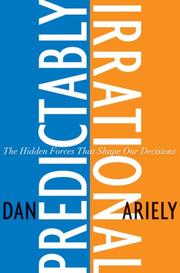
Predictably Irrational
by Dan Ariely
Predictably Irrational: A Fascinating Exploration of Human Fallibility
Prepare to embark on a thought-provoking journey into the captivating realm of human decision-making with Dan Ariely’s enlightening book, Predictably Irrational. In this insightful masterpiece, Ariely delves deep into the intricacies of our flawed thinking and sheds light on the multitude of mistakes we make in our everyday lives.
Predictably Irrational is not just another book on mistakes; it is a captivating exploration of the fascinating ways in which we consistently deviate from rationality. Drawing upon his extensive research in behavioral economics, Ariely unveils the hidden forces that influence our decisions, from the mundane choices we make at the grocery store to the complex decisions that shape our careers.
By skillfully blending captivating anecdotes, real-life experiments, and witty humor, Ariely effortlessly guides readers through the quirky and often perplexing aspects of human behavior. He examines the irrational tendencies that lead us to make illogical financial decisions, fall prey to marketing tricks, and consistently overvalue what we already possess. With each turn of the page, Ariely uncovers the layers of our cognitive biases, exposing the inherent flaws in our thinking.
However, Predictably Irrational goes beyond mere revelation; it offers practical applications and invaluable advice to help readers navigate the treacherous waters of their own irrationality. Ariely presents strategies to counteract our irrational tendencies, empowering us to make more informed decisions and avoid the pitfalls that often accompany our flawed thinking.
Whether you are a psychology enthusiast, a student of human behavior, or simply a curious individual seeking to better understand the intricacies of the human mind, this mistakes book will undoubtedly leave you enlightened and eager to question the rationality of your own choices.
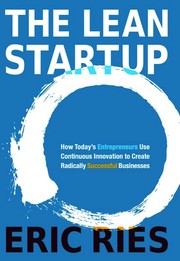
The Lean Startup
by Eric Ries
The Lean Startup by Eric Ries is not just another book about mistakes; it’s a game-changer for entrepreneurs and innovators. This groundbreaking book challenges the traditional approach to starting a business and offers a fresh perspective on how to build and grow successful companies.
Ries advocates for a scientific approach to entrepreneurship, emphasizing the importance of rapid experimentation and learning from failures. He argues that startups should focus on creating a minimum viable product (MVP) and using customer feedback to iterate and improve their offerings.
What sets this book apart is its emphasis on embracing and learning from mistakes. Ries believes that failures are not something to be ashamed of but rather valuable opportunities for learning and growth. He provides practical strategies for validating ideas, measuring progress, and pivoting when necessary.
Whether you’re a seasoned entrepreneur or just starting out, this mistakes book will challenge your assumptions and help you navigate the uncertain waters of innovation. Ries’ insights and real-world examples will inspire you to take action, adapt, and ultimately build a lean and successful startup.
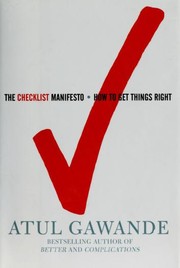
The Checklist Manifesto
by Atul Gawande
The Checklist Manifesto by Atul Gawande is a captivating and eye-opening book about the power of checklists in preventing errors and improving outcomes. In this thought-provoking read, Gawande explores the idea that mistakes are not always a result of incompetence, but rather a consequence of the complexity and fast-paced nature of our modern world.
Throughout the book, Gawande shares compelling anecdotes from various industries such as aviation, construction, and medicine, where checklists have been implemented to great success. He highlights how even the most skilled professionals can benefit from using a simple tool like a checklist to ensure that crucial steps are not overlooked.
By emphasizing the importance of teamwork, communication, and attention to detail, Gawande demonstrates how checklists can save lives, prevent disasters, and ultimately make a significant impact on the quality of our work. He also delves into the psychology behind why people resist using checklists, providing valuable insights into how to overcome these barriers and embrace this powerful tool.
With its engaging storytelling and thought-provoking analysis, The Checklist Manifesto encourages readers to reconsider their approach to tackling complex tasks and challenges. It reminds us that even the most skilled professionals are fallible, but by utilizing the humble checklist, we can mitigate risks, enhance performance, and avoid costly mistakes. This book is a must-read for anyone seeking to improve their productivity, efficiency, and overall success in any field.
Sapiens: A Brief History of Humankind
by Yuval Noah Harari
Sapiens: A Brief History of Humankind by Yuval Noah Harari is not just any book about mistakes; it is a captivating exploration of the errors, blunders, and missteps that have shaped the course of human history. From the dawn of our species to the present day, Harari takes readers on a thought-provoking journey through time, unraveling the intricate tapestry of human evolution.
This remarkable book delves into the myriad of mistakes that have defined our species, from our early forays into agriculture and the birth of empires, to the scientific revolutions and technological advancements that have propelled us into the modern age. Harari fearlessly confronts the flaws and misjudgments of our ancestors, shedding light on the often-overlooked errors that have shaped the world we live in today.
With a masterful blend of history, anthropology, and philosophy, Harari challenges our preconceived notions and forces us to confront the uncomfortable truth that mistakes are an inherent part of the human experience. He explores the consequences of these mistakes, both positive and negative, and offers insights into how they have shaped our societies, cultures, and even our very identities.
Sapiens: A Brief History of Humankind is a book that will make you question everything you thought you knew about the course of human history. It is a gripping and enlightening exploration of the triumphs and tribulations that have shaped our species, reminding us that mistakes are not merely failures to be avoided, but valuable lessons to be learned from. Prepare to be captivated, challenged, and ultimately inspired by this extraordinary book.
Nudge: Improving Decisions About Health, Wealth, and Happiness
by Richard H. Thaler and Cass R. Sunstein
Nudge: Improving Decisions About Health, Wealth, and Happiness is a fascinating book that delves into the complex world of human decision-making. Written by Richard H. Thaler and Cass R. Sunstein, this groundbreaking work explores the concept of “nudging” and how it can help individuals make better choices in their lives.
At its core, Nudge is a book about mistakes. It examines the common errors and biases that plague our decision-making processes, leading us astray in matters of health, wealth, and happiness. Thaler and Sunstein argue that these mistakes are inevitable, as we are all prone to cognitive biases that cloud our judgment.
However, the authors propose a simple yet powerful solution: the concept of nudging. A nudge is a subtle change in the way choices are presented to individuals, designed to guide them towards making better decisions without restricting their freedom. By understanding our cognitive biases and harnessing the power of nudges, we can make significant improvements in our lives.
Throughout the book, Thaler and Sunstein provide numerous real-life examples and case studies to illustrate the effectiveness of nudges. From encouraging people to save more for retirement to promoting healthier eating habits, these nudges have shown remarkable success in influencing positive behavior change.
Nudge is not just a book about mistakes; it is a call to action. Thaler and Sunstein argue that governments, institutions, and individuals alike have a responsibility to use nudges ethically and responsibly to create a better society. By embracing the principles of choice architecture and understanding how small changes can lead to significant outcomes, we can all become better decision-makers.
If you’re looking for a thought-provoking book that challenges conventional wisdom and offers practical insights into improving decision-making, Nudge: Improving Decisions About Health, Wealth, and Happiness is a must-read. Prepare to be nudged in the right direction!
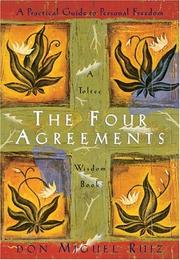
The Four Agreements
by Don Miguel Ruiz
The Four Agreements: A Transformative Book on Missteps
Discover a remarkable guide that delves deep into the intricacies of human behavior and unveils the secret to personal freedom and happiness. “The Four Agreements” by Don Miguel Ruiz is not just any book about mistakes; it is a profound exploration of the ways in which our beliefs and actions can lead us astray.
In this illuminating masterpiece, Ruiz presents four transformative principles that have the power to revolutionize our lives. These agreements act as a roadmap, guiding us towards a new level of consciousness and self-awareness. By adopting these agreements, we can break free from the cycle of making mistakes and create a life filled with joy, love, and fulfillment.
The first agreement is to be impeccable with your word. Ruiz emphasizes the importance of using words to express love, truth, and positivity. By speaking with integrity and avoiding gossip or self-judgment, we can create an environment of trust and emotional well-being.
The second agreement is to not take anything personally. Recognizing that people’s actions and opinions are a reflection of their own reality, not ours, allows us to detach from unnecessary suffering. This agreement empowers us to remain unaffected by the opinions and actions of others, enabling us to lead a more peaceful and fulfilling life.
The third agreement is to not make assumptions. Ruiz highlights how assumptions can lead to misunderstandings, conflict, and unnecessary suffering. By asking questions and seeking clarity instead of assuming, we can establish open and honest communication, fostering stronger relationships and deeper connections.
The fourth agreement is to always do your best. Ruiz encourages us to give our best effort in every situation, regardless of the outcome. By doing so, we can live free from regrets and self-judgment, knowing that we have given our all and acted in alignment with our values.
“The Four Agreements” is not just a book about mistakes; it is a transformative guide to living a life of authenticity, happiness, and purpose. Through Ruiz’s profound insights and practical wisdom, we can break free from self-imposed limitations and create a reality grounded in love, respect, and personal power.
Embark on a journey of self-discovery and personal growth, and let “The Four Agreements” guide you towards a life filled with joy, fulfillment, and the freedom to be your
The Paradox of Choice: Why More Is Less
by Barry Schwartz
The Paradox of Choice: Why More Is Less by Barry Schwartz is not just another book about mistakes, it’s a fascinating exploration of the psychological effects that an abundance of choices can have on our happiness and well-being.
In this eye-opening book, Schwartz delves into the paradoxical nature of choice, showing how having too many options can actually lead to feelings of anxiety, indecision, and dissatisfaction. He argues that while we often believe that more choices will lead to greater freedom and happiness, the reality is quite different.
Through a combination of thought-provoking research and real-life examples, Schwartz demonstrates how the abundance of choices in today’s consumer-driven society can overwhelm us, leaving us second-guessing our decisions and ultimately less satisfied with the choices we make.
By examining the psychological processes behind decision-making, Schwartz provides valuable insights into how we can navigate the paradox of choice and make more satisfying decisions. He offers practical strategies for simplifying our lives and finding greater contentment in a world filled with endless options.
The Paradox of Choice is not just a book about mistakes, it’s a profound exploration of the human condition and the ways in which our choices shape our lives. Whether you’re a psychology enthusiast or simply someone looking for a fresh perspective on decision-making, this book is sure to leave you with a deeper understanding of the choices we make and their impact on our happiness.
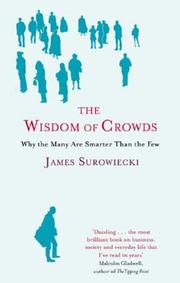
The Wisdom of Crowds
by James Surowiecki
The Wisdom of Crowds is a captivating book on blunders, authored by the brilliant James Surowiecki. In this enlightening masterpiece, Surowiecki explores the fascinating concept of collective intelligence and its incredible ability to triumph over errors and misjudgments.
The Innovators: How a Group of Hackers, Geniuses, and Geeks Created the Digital Revolution
by Walter Isaacson
The Innovators: How a Group of Hackers, Geniuses, and Geeks Created the Digital Revolution by Walter Isaacson is not just a book about mistakes; it is a fascinating exploration of the triumphs and setbacks that shaped the digital world we live in today.
Isaacson takes us on a captivating journey through the history of computing, highlighting the contributions of brilliant minds such as Ada Lovelace, Alan Turing, and Steve Jobs. However, what sets this book apart is its focus on the mistakes and failures that paved the way for groundbreaking innovations.
Isaacson eloquently portrays how these visionaries encountered numerous obstacles, made errors, and learned from them to push the boundaries of technology. From the early days of the computer and the internet to the creation of the personal computer and the birth of the World Wide Web, this book uncovers the pivotal moments where mistakes led to groundbreaking discoveries.
The Innovators is not a book that dwells on failure; instead, it celebrates the resilience and ingenuity of those who dared to dream big and were not afraid to make mistakes along the way. Isaacson’s storytelling prowess makes the reader feel like a witness to these incredible achievements and reminds us that even the most successful innovators have faced their fair share of setbacks.
So, if you are looking for a captivating and inspiring read that delves into the world of technology and the people who shaped it, The Innovators is the book for you. Prepare to be enthralled by the stories of triumphs, failures, and ultimately, the relentless pursuit of progress.
The Design of Everyday Things
by Don Norman
The Design of Everyday Things by Don Norman is a captivating book about the intricacies of human-centered design. Dubbed as a ‘book on mistakes,’ it sheds light on the fascinating world of design blunders and how they impact our daily lives.
The Up Side of Down: Why Failing Well Is the Key to Success
by Megan McArdle
Discover the exhilarating power of failure with The Up Side of Down: Why Failing Well Is the Key to Success by Megan McArdle. This captivating book explores the idea that mistakes, missteps, and failures are not only inevitable but also crucial stepping stones on the path to success.
McArdle, a well-respected journalist and author, delves into the world of failures, dissecting them with wit, wisdom, and insightful anecdotes. She argues that our society’s fear of failure often holds us back from taking risks and achieving our true potential. Instead, she encourages readers to embrace failure as a necessary part of growth and innovation.
Through engaging storytelling and thought-provoking analysis, McArdle explores the idea that mistakes are not dead ends but rather opportunities for learning and improvement. She draws from a wide range of examples, including the failures of famous entrepreneurs, political leaders, and even her own personal experiences, to demonstrate how resilience, adaptability, and a positive mindset can turn setbacks into successes.
This book about mistakes challenges conventional wisdom and encourages readers to shift their perspective on failure. McArdle’s compelling arguments and practical advice will inspire readers to take risks, embrace uncertainty, and view failure as a valuable tool for personal and professional growth.
Whether you’re an entrepreneur, a student, or simply someone seeking inspiration, The Up Side of Down offers a refreshing and empowering perspective on the role of mistakes in our lives. It’s time to reframe our understanding of failure and unlock the hidden potential within our setbacks. Dive into this captivating book today and discover why failing well is truly the key to success.
Conclusion
In conclusion, the journey of self-improvement and personal growth often involves making mistakes, and these 20 books about mistakes serve as invaluable guides in that process. From inspiring memoirs to thought-provoking self-help guides, these books provide unique perspectives and lessons on how to learn from our missteps and turn them into stepping stones towards success. Whether you’re seeking motivation, guidance, or simply a reminder that mistakes are a natural part of life, these books are a must-read. So, embrace the power of learning from your mistakes and dive into these insightful reads today!