If you’re looking to expand your knowledge on the intricacies of global politics and understand the forces that shape our world, a book on international relations is a perfect place to start. From insightful analyses of historical events to thought-provoking discussions on the future of diplomacy, we’ve curated a list of the 20 best books about international relations. So, whether you’re a student, a professional, or simply curious about the world, these international relations books will provide you with a captivating journey through the complexities of global affairs.
Contents
- 1 The Future of Power
- 2 The Clash of Civilizations and the Remaking of World Order
- 3 The Tragedy of Great Power Politics
- 4 The Post-American World
- 5 The Origins of Political Order
- 6 The Globalization Paradox
- 7 The Return of History and the End of Dreams
- 8 The End of Power
- 9 The Age of Extremes: A History of the World, 1914-1991
- 10 The Rise and Fall of the Great Powers
- 11 The World is Flat
- 12 The Bottom Billion: Why the Poorest Countries are Failing and What Can Be Done About It
- 13 The New Silk Roads: The Present and Future of the World
- 14 The Great Delusion: Liberal Dreams and International Realities
- 15 The Ideas That Conquered the World: Peace, Democracy, and Free Markets in the Twenty-First Century
- 16 The Global Cold War: Third World Interventions and the Making of Our Times
- 17 The Shield of Achilles: War, Peace, and the Course of History
- 18 The Accidental Superpower: The Next Generation of American Preeminence and the Coming Global Disorder
- 19 The Revenge of Geography: What the Map Tells Us About Coming Conflicts and the Battle Against Fate
- 20 The New Rules of War: Victory in the Age of Durable Disorder
- 21 Conclusion

The Future of Power
by Joseph S. Nye Jr.
The Future of Power by Joseph S. Nye Jr. is a captivating book on international relations that provides a fascinating glimpse into the changing dynamics of global power. In this thought-provoking work, Nye delves into the intricate web of relationships that shape our world and explores the various sources of power that nations and individuals wield in the twenty-first century.
The Clash of Civilizations and the Remaking of World Order
by Samuel P. Huntington
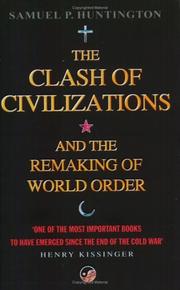
The Clash of Civilizations and the Remaking of World Order by Samuel P. Huntington is a captivating book on international relations that challenges our traditional understanding of global politics. In this groundbreaking work, Huntington argues that the future of world affairs will be shaped not by ideologies or economic systems, but by the clash of civilizations.
Unlike other international relations books, Huntington’s thesis is rooted in the idea that cultural and religious differences will be the primary source of conflict in the post-Cold War era. He posits that as globalization accelerates, people’s identities will become increasingly defined by their religious and cultural affiliations, leading to heightened tensions and conflicts between different civilizations.
Through extensive research and analysis, Huntington examines the fault lines between various civilizations, including the West, Islam, Confucianism, Hinduism, and more. He explores how these civilizations have distinct values, traditions, and histories that shape their interactions with one another.
What makes this international relations book particularly fascinating is Huntington’s ability to predict future conflicts and alliances based on his civilizational framework. He accurately foresaw the rise of religious extremism and the clash between Islam and the West, which have become defining features of our contemporary world.
While controversial and often debated, The Clash of Civilizations and the Remaking of World Order provides a fresh perspective on international relations that challenges conventional wisdom. It prompts readers to question our assumptions about global politics and offers a thought-provoking analysis of the forces shaping the world today.
If you’re looking for an international relations book that delves into the complexities of our modern world and offers insights into the future of global affairs, then Samuel P. Huntington’s The Clash of Civilizations and the Remaking of World Order is a must-read.
The Tragedy of Great Power Politics
by John J. Mearsheimer
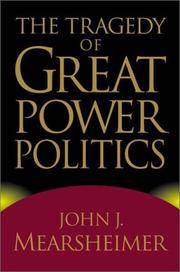
The Tragedy of Great Power Politics by John J. Mearsheimer is not your typical book on international relations. It is a captivating exploration of the complex and ever-changing dynamics of global power struggles.
In this thought-provoking international relations book, Mearsheimer argues that the pursuit of power and the relentless competition among great powers are the primary drivers of world politics. He delves into the historical examples of great powers throughout the ages, dissecting their motives and strategies with meticulous detail.
From ancient empires to modern nation-states, Mearsheimer unveils the inherent tragedy in the quest for power. He presents a compelling case that the anarchic nature of the international system ultimately leads to conflicts and war, as states prioritize their own survival and security above all else.
This book about international relations challenges conventional wisdom and offers a fresh perspective on the forces shaping our world. Mearsheimer’s lucid writing style and in-depth analysis make it a must-read for anyone interested in understanding the intricacies of global politics.
Whether you’re a student of international relations or simply curious about the forces that shape our world, The Tragedy of Great Power Politics will leave you with a deeper understanding of the complexities and dangers that lie behind the pursuit of power on the global stage.

The Post-American World
by Fareed Zakaria
The Post-American World by Fareed Zakaria is a captivating book on international relations that challenges our conventional notions of American dominance in the world. Zakaria presents a thought-provoking argument that the era of American hegemony is gradually coming to an end, giving rise to a new global order. This compelling book about international relations delves into the complex dynamics of power shifts and the rise of emerging economies that are reshaping the world stage. With his insightful analysis and in-depth research, Zakaria offers readers a fresh perspective on the evolving landscape of international relations. This international relations book is a must-read for anyone seeking to understand the forces shaping our interconnected world.

The Origins of Political Order
by Francis Fukuyama
The Origins of Political Order by Francis Fukuyama is a captivating book about the intricate web of human societies and their political evolution. Fukuyama, a renowned scholar in the field of international relations, delves into the origins and development of political systems throughout history, offering a fascinating and comprehensive analysis.
The Globalization Paradox
by Dani Rodrik
The Globalization Paradox by Dani Rodrik is a thought-provoking book on international relations that challenges conventional wisdom about the benefits of globalization. Rodrik, a renowned economist, delves into the complex and often contradictory relationship between economic globalization and nation-states.

The Return of History and the End of Dreams
by Robert Kagan
The Return of History and the End of Dreams by Robert Kagan is a captivating book on international relations that delves deep into the complexities of our modern world. With a thought-provoking analysis and a compelling narrative, Kagan presents a powerful argument about the shifting dynamics in global politics.
Unlike any book about international relations you’ve come across before, Kagan brings a fresh perspective to the table. Through his insightful observations and astute understanding of history, he illuminates the interconnectedness of nations and the inevitable clashes that arise from their competing interests.
Don’t be fooled by the title; this is not just another doom-and-gloom portrayal of our world. Kagan skillfully weaves together historical context, geopolitical analysis, and a touch of optimism to paint a vivid picture of the challenges and opportunities that lie ahead.
In this captivating international relations book, Kagan argues that the end of the Cold War did not usher in an era of perpetual peace as many had hoped. Instead, he posits that history has returned with a vengeance, as old rivalries resurface and new conflicts emerge.
With Kagan’s insightful observations and well-reasoned arguments, readers will gain a deeper understanding of the intricate web of relationships that shape our world. Whether you’re a student of international politics or simply curious about the forces that drive global events, The Return of History and the End of Dreams is a must-read that will challenge your preconceptions and broaden your horizons.
The End of Power
by Moisés Naím
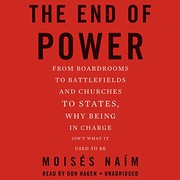
The End of Power by Moisés Naím is a captivating exploration into the dramatic shifts and disruptions reshaping our world. This remarkable book on international relations delves deep into the intricate web of global politics, economics, and social dynamics to reveal a fascinating truth: power as we know it is fading away.

The Age of Extremes: A History of the World, 1914-1991
by Eric Hobsbawm
The Age of Extremes: A History of the World, 1914-1991 by Eric Hobsbawm
Welcome to a journey through the tumultuous years of the 20th century, an era marked by upheavals, conflicts, and radical transformations. Eric Hobsbawm’s The Age of Extremes offers a captivating exploration of the world’s history from 1914 to 1991, encompassing the two world wars, the rise and fall of communism, and the dawn of a new global order.
This is not your average book on international relations. Hobsbawm, a renowned historian, masterfully weaves together political, social, economic, and cultural aspects to present a comprehensive account of the era. He delves into the motivations and ideologies that shaped nations and individuals, shedding light on the complex forces at play during this remarkable period.
Through his meticulous research and insightful analysis, Hobsbawm uncovers the underlying threads that connect seemingly disparate events. He examines the rise of nationalism, the fall of empires, and the clash of ideologies, providing a rich tapestry of the forces that propelled the world towards extremes.
From the chaos of the interwar years to the devastation of World War II, Hobsbawm explores the global ramifications of these events, highlighting their impact on societies, economies, and individuals. He brilliantly captures the human experience amidst the turmoil, giving voice to the ordinary people who lived through these extraordinary times.
But The Age of Extremes is not just a book about international relations; it is a testament to the resilience of the human spirit. Hobsbawm showcases the triumphs and tragedies of the 20th century, revealing the capacity for both destruction and progress that defined this era.
Prepare to be captivated as Hobsbawm takes you on a journey through the highs and lows of the 20th century. With his masterful storytelling and insightful analysis, The Age of Extremes offers a fresh perspective on an era that continues to shape our world today.
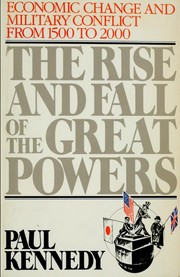
The Rise and Fall of the Great Powers
by Paul Kennedy
The Rise and Fall of the Great Powers by Paul Kennedy is a captivating book on international relations that takes readers on a thrilling journey through the tumultuous history of global power struggles. This book about international relations dives deep into the rise and fall of empires, exploring the intricate dynamics that shape the destiny of nations.
With meticulous research and a masterful storytelling style, Kennedy unveils the patterns and forces that have shaped the world as we know it today. From the ancient civilizations of Egypt and Rome to the modern superpowers of the United States and Soviet Union, this international relations book provides a comprehensive analysis of the rise and fall of great empires throughout history.
Through his thought-provoking analysis, Kennedy argues that economic and military power are crucial determinants of a nation’s global standing. He emphasizes the importance of balancing economic growth, military might, and social stability as essential factors for long-term success. By examining the historical successes and failures of various great powers, Kennedy offers valuable insights into the challenges faced by nations seeking to maintain their dominance in an ever-changing world.
With its engaging narrative and insightful analysis, The Rise and Fall of the Great Powers is a must-read for anyone interested in understanding the complex dynamics of global politics and the forces that shape the rise and fall of nations. Whether you are a history enthusiast or a student of international relations, this book will leave you with a deeper understanding of the fascinating interplay between power, wealth, and destiny on the world stage.
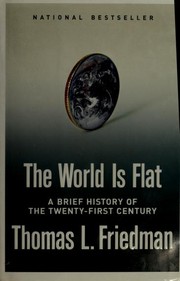
The World is Flat
by Thomas L. Friedman
The World is Flat by Thomas L. Friedman is not your typical book on international relations. It is a mind-bending journey that explores the rapidly changing landscape of our interconnected world. In this eye-opening masterpiece, Friedman delves into the intricacies of globalization, technology, and the power of information, revealing how they have transformed our lives and reshaped the way we interact on a global scale.
The Bottom Billion: Why the Poorest Countries are Failing and What Can Be Done About It
by Paul Collier
The Bottom Billion: Why the Poorest Countries are Failing and What Can Be Done About It, written by Paul Collier, is an eye-opening book that delves into the complex issues plaguing some of the world’s most impoverished nations. In this thought-provoking book on international relations, Collier challenges conventional wisdom and offers fresh perspectives on the root causes of poverty and underdevelopment.
Collier’s book about international relations takes an in-depth look at the billion people trapped in poverty, living in countries that seem to be stuck in a perpetual cycle of economic stagnation and political instability. He argues that these nations are not simply victims of circumstance, but rather victims of a unique set of challenges that have kept them from progressing.
Throughout the book, Collier identifies four key traps that hinder the development of these countries: conflict, natural resources, being landlocked with bad neighbors, and poor governance in small countries. He provides compelling evidence and case studies that illustrate how these traps interact and reinforce each other, creating a vicious cycle that perpetuates poverty.
However, Collier does not only focus on analyzing the problems. He also offers pragmatic solutions and policy recommendations that can help break the cycle of poverty. His suggestions range from international aid and military interventions to trade policies and governance reforms. He emphasizes the importance of collective action and the need for both developed and developing nations to work together in addressing these challenges.
What makes this international relations book particularly engaging is Collier’s ability to present complex economic and political concepts in a clear and accessible manner. He combines rigorous research with real-life stories and anecdotes, making the book not only informative but also highly relatable.
Overall, The Bottom Billion is a must-read for anyone interested in understanding the intricate dynamics of global poverty and the role of international relations in addressing this pressing issue. Collier’s compelling arguments and practical solutions make this book a valuable resource for policymakers, scholars, and individuals passionate about creating a more equitable world.

The New Silk Roads: The Present and Future of the World
by Peter Frankopan
‘The New Silk Roads: The Present and Future of the World’ by Peter Frankopan is a captivating and thought-provoking book about global connections and the ever-evolving landscape of international relations. Frankopan takes us on a journey along the ancient Silk Roads, but with a contemporary twist. This book is not your typical international relations book; it goes beyond traditional analysis and delves into the complex web of economic, political, and cultural interactions that shape our world today.
The Great Delusion: Liberal Dreams and International Realities
by John J. Mearsheimer
The Great Delusion: Liberal Dreams and International Realities by John J. Mearsheimer is a thought-provoking book on international relations that challenges the prevailing wisdom of liberal idealism in global politics. Mearsheimer, renowned for his groundbreaking work in the field, takes readers on an intellectual journey that unveils the stark contrast between the book about international relations we wish for and the harsh realities we face.
In this captivating international relations book, Mearsheimer argues that the liberal dream of a harmonious world order, where democracy and cooperation prevail, is nothing more than a delusion. He meticulously dissects the flaws of liberal internationalism, exposing its inherent contradictions and the dangerous consequences it has on the global stage.
Mearsheimer’s analysis is refreshingly blunt and unapologetic. He examines the historical failures of liberal interventionism and demonstrates how it has often led to unintended consequences, exacerbating conflicts rather than resolving them. He also delves into the inherent power struggles between nations, highlighting how the pursuit of self-interest is an inescapable reality that cannot be dismissed.
By challenging the prevailing liberal orthodoxy, Mearsheimer offers a provocative alternative perspective on international relations. He argues that realism, with its emphasis on power politics and the pursuit of national interest, provides a more accurate lens through which to understand and navigate the complexities of global affairs.
The Great Delusion is a captivating and intellectually stimulating book about international relations that will leave readers questioning long-held assumptions about the nature of world politics. Mearsheimer’s lucid prose and well-researched arguments make this book on international relations a must-read for anyone seeking a deeper understanding of the realities that shape our global landscape.
The Ideas That Conquered the World: Peace, Democracy, and Free Markets in the Twenty-First Century
by Michael Mandelbaum
The Ideas That Conquered the World: Peace, Democracy, and Free Markets in the Twenty-First Century by Michael Mandelbaum is a captivating book on international relations that explores the triumphant concepts of peace, democracy, and free markets in the modern era.
Mandelbaum delves into the profound impact these ideas have had on shaping the world we live in today. He skillfully examines how these three pillars of society have transformed nations, societies, and economies across the globe, making them indispensable components of our contemporary world order.
With his insightful analysis and comprehensive research, Mandelbaum presents a compelling argument for why these ideas have become so influential. He delves into the historical context, highlighting key moments and individuals who championed these concepts, and explores the factors that led to their widespread acceptance.
Throughout the book, Mandelbaum effortlessly weaves together historical anecdotes, political theory, and economic analysis to provide a nuanced understanding of the interconnectedness of peace, democracy, and free markets. He explores how these ideas reinforce and support one another, creating a virtuous cycle that has propelled global progress.
Furthermore, Mandelbaum does not shy away from examining the challenges and complexities that these ideas face in the twenty-first century. He critically assesses their limitations and explores potential threats to their continued success, such as rising nationalism, economic inequality, and geopolitical tensions.
Overall, The Ideas That Conquered the World is an engaging and thought-provoking book about international relations. Mandelbaum’s eloquent writing style and insightful analysis make this book a must-read for anyone interested in understanding the forces that have shaped our world and continue to shape it today. Whether you are a student of international relations, a policy-maker, or simply a curious reader, this book offers valuable insights into the fundamental ideas that underpin our global society.

The Global Cold War: Third World Interventions and the Making of Our Times
by Odd Arne Westad
The Global Cold War: Third World Interventions and the Making of Our Times by Odd Arne Westad is a captivating book on international relations. If you’re someone who has always been fascinated by the complex web of power dynamics and political maneuvering on the global stage, then this international relations book is a must-read.
Westad takes us on a thrilling journey through the lesser-known battlegrounds of the Cold War, focusing on the interventions and conflicts that took place in the Third World. Forget about the usual narrative of the Cold War being solely between the United States and the Soviet Union; this book sheds light on the numerous proxy wars, coups, and ideological struggles that unfolded in Africa, Asia, and Latin America.
Through meticulous research and captivating storytelling, Westad unveils the true extent of the global reach of the Cold War, highlighting the profound impact it had on shaping the world we live in today. He explores the motivations behind the interventions, the ideological battles fought on foreign soil, and the lasting consequences that continue to reverberate through international relations.
This book about international relations challenges the conventional wisdom and offers a fresh perspective on a period that has often been simplified into a binary struggle between two superpowers. By zooming in on the Third World, Westad exposes the complexities and contradictions of a global conflict that touched the lives of millions.
Whether you’re a student of history, a political enthusiast, or simply someone who wants to gain a deeper understanding of the forces that have shaped our world, The Global Cold War is an essential read. Prepare to be enthralled by the untold stories and hidden dimensions of the most significant conflict of the 20th century.
The Shield of Achilles: War, Peace, and the Course of History
by Philip Bobbitt
The Shield of Achilles: War, Peace, and the Course of History by Philip Bobbitt is a thought-provoking book on international relations that delves deep into the complex dynamics of global politics. With meticulous research and a captivating narrative, Bobbitt explores the ever-evolving nature of war and peace, offering a fresh perspective on the course of history.
In this book about international relations, Bobbitt challenges conventional theories and approaches, presenting a comprehensive framework that transcends traditional boundaries. He argues that the nation-state is no longer the primary unit of analysis, advocating for a more nuanced understanding of the global landscape. Through a multidisciplinary lens, the author weaves together historical, legal, economic, and cultural perspectives to shed light on the intricate web of international relations.
Bobbitt’s writing style is both scholarly and accessible, making complex concepts digestible for readers from all backgrounds. He skillfully combines theoretical insights with real-world examples, drawing from a diverse range of historical events to illustrate his points. From the rise and fall of empires to the impact of technological advancements, Bobbitt offers a compelling exploration of the forces shaping our world.
This international relations book is not merely a theoretical exercise; it offers practical insights for policymakers, scholars, and anyone interested in understanding the intricacies of global affairs. By analyzing past conflicts and international agreements, Bobbitt provides valuable lessons for navigating the challenges of the present and future.
Overall, The Shield of Achilles is a captivating and intellectually stimulating read that will leave readers with a deeper understanding of the complexities of war, peace, and the course of history. Bobbitt’s rich analysis and compelling arguments make this book on international relations a must-read for anyone seeking to grasp the intricacies of our ever-changing global landscape.
The Accidental Superpower: The Next Generation of American Preeminence and the Coming Global Disorder
by Peter Zeihan
The Accidental Superpower: The Next Generation of American Preeminence and the Coming Global Disorder by Peter Zeihan is a fascinating book on international relations that challenges conventional wisdom and offers a unique perspective on the future of global politics.
Zeihan, a geopolitical strategist, delves into the complex web of international relations and explores how geography and demographics shape the fate of nations. He argues that the United States has enjoyed a position of global dominance due to its geographical advantages, such as abundant natural resources and secure borders.
However, Zeihan warns that this era of American preeminence is coming to an end, as other major powers struggle with their own geographical limitations. The book delves into the rise of China, Russia’s geopolitical ambitions, and the potential for conflict in the Middle East.
What sets this book apart is Zeihan’s ability to break down complex concepts into digestible and engaging narratives. He weaves together historical context, economic analysis, and geopolitical forecasting to paint a vivid picture of the future global order.
Whether you are a seasoned scholar or a casual reader interested in international relations, this book about international relations is a must-read. It offers thought-provoking insights that challenge conventional wisdom and provides a fresh perspective on the forces shaping our world.
So, if you’re looking for an engaging and enlightening international relations book that will make you see the world in a whole new way, The Accidental Superpower should be at the top of your reading list.
The Revenge of Geography: What the Map Tells Us About Coming Conflicts and the Battle Against Fate
by Robert D. Kaplan
The Revenge of Geography: What the Map Tells Us About Coming Conflicts and the Battle Against Fate by Robert D. Kaplan is a fascinating book on international relations that delves into the significance of geography in shaping the course of history. Kaplan argues that while globalization and technology have brought the world closer together, the physical and strategic aspects of geography continue to play a crucial role in shaping international relations.
In this thought-provoking book about international relations, Kaplan explores how the geographical features of different regions, such as mountains, rivers, and coastlines, have influenced the development of societies and the emergence of conflicts. He examines how the scarcity or abundance of natural resources, along with the accessibility of certain locations, have shaped the rise and fall of nations throughout history.
Kaplan also delves into the intricate connections between geography, culture, and politics. He explores how the physical environment can influence a society’s values, traditions, and political systems. By examining various case studies, from the Middle East to East Asia, Kaplan demonstrates how geography has influenced the behavior of nations and contributed to ongoing conflicts.
What sets this international relations book apart is Kaplan’s ability to blend historical analysis with geopolitical insights. He combines in-depth research with firsthand experiences from his travels to provide a comprehensive understanding of the complex relationship between geography and international politics.
The Revenge of Geography is a must-read for anyone interested in understanding the forces that shape the world we live in. It challenges conventional wisdom and offers a fresh perspective on the role of geography in determining the course of global affairs. Whether you are a student of international relations or simply curious about the world, this book will undoubtedly enrich your understanding of the geopolitical landscape.
The New Rules of War: Victory in the Age of Durable Disorder
by Sean McFate
The New Rules of War: Victory in the Age of Durable Disorder by Sean McFate is not your typical book on international relations. It’s a captivating and thought-provoking exploration of the changing nature of warfare in today’s world. McFate takes readers on a journey into the realm of unconventional warfare, where the old rules no longer apply.
Instead of presenting a dry analysis of global politics, McFate brings the subject to life with his engaging storytelling and real-life examples. He argues that traditional approaches to war, such as large-scale military interventions and nation-building, are increasingly ineffective in the face of the new challenges we face. Instead, he introduces us to a world of mercenaries, private military contractors, and other non-state actors who are shaping the course of conflicts around the globe.
McFate’s unique perspective comes from his own experiences as a former private military contractor and professor of war studies. He draws on his firsthand knowledge to shed light on the hidden world of modern warfare, revealing how it has evolved and what we need to do to adapt.
This book about international relations challenges many long-held assumptions about the nature of war and offers a fresh perspective on how to navigate the complexities of the modern battlefield. McFate argues that victory in this age of durable disorder requires a new mindset, one that embraces flexibility, innovation, and unconventional strategies.
Whether you’re a student of international relations or simply interested in understanding the changing nature of warfare, The New Rules of War is a must-read. McFate’s engaging style and thought-provoking ideas will leave you questioning everything you thought you knew about the world of international relations.
Conclusion
In conclusion, these 20 books about international relations offer a captivating exploration of the complex dynamics shaping our world. From historical accounts to cutting-edge analyses, these works provide invaluable insights into the forces that drive global politics and diplomacy. Whether you’re a student, a scholar, or simply curious about international affairs, these books are a must-read. So, dive into these pages and expand your understanding of the world we live in!