Are you fascinated by the history and culture of East Germany? Do you want to dive deeper into the stories and experiences of life behind the Iron Curtain? Look no further! In this article, we have compiled a list of the 20 best books about East Germany that you absolutely must read. Whether you’re interested in personal memoirs, historical accounts, or fictional stories set in this captivating era, these books will transport you to a world that was once divided, but is still filled with intrigue and discovery.
Contents
- 1 Stasiland
- 2 The Lives of Others
- 3 The Wall Jumper
- 4 The File
- 5 The Seventh Well
- 6 The End of East
- 7 The Tower
- 8 The Good German
- 9 The Other Side of Silence
- 10 The Lost Honor of Katharina Blum
- 11 The Tin Drum
- 12 The Wall
- 13 The Book of Clouds
- 14 The Reader
- 15 The Collini Case
- 16 The Berlin Wall: A World Divided, 1961-1989
- 17 The German Democratic Republic: Studies in European History
- 18 The People’s State: East German Society from Hitler to Honecker
- 19 The GDR Handbook
- 20 The East German Handbook
- 21 Conclusion

Stasiland
by Anna Funder
Stasiland by Anna Funder is an incredible exploration of the haunting and secret world of East Germany. This riveting book delves into the depths of a country that once existed behind an iron curtain, where citizens lived in constant fear and surveillance. Funder takes us on a journey through the lives of those who experienced the reality of living under the watchful eye of the Stasi, the notorious secret police of East Germany.

The Lives of Others
by Neel Mukherjee
The Lives of Others is a captivating book set in the enigmatic world of the German Democratic Republic, commonly known as East Germany. Neel Mukherjee masterfully weaves a tale that delves deep into the lives of its characters, revealing the complexities and contradictions of a society plagued by surveillance and repression.
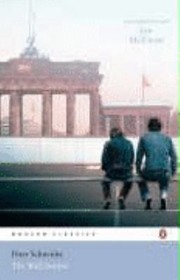
The Wall Jumper
by Peter Schneider
Discover the captivating world of Cold War-era East Germany in the gripping novel, The Wall Jumper by Peter Schneider. This enthralling book takes readers on a thrilling journey through the heart of a divided nation, providing a unique perspective on life behind the Berlin Wall.
Set in the tumultuous era of the 1980s, The Wall Jumper delves into the lives of individuals navigating the complex realities of East Germany. Schneider skillfully weaves together multiple storylines, offering a panoramic view of a society defined by surveillance, fear, and the constant struggle for freedom.
Through vivid descriptions and richly developed characters, Schneider provides readers with an intimate understanding of the daily challenges faced by East Germans. From the notorious Stasi secret police to the ever-present threat of escape attempts, the book sheds light on the oppressive nature of the East German regime.
However, The Wall Jumper is not solely a book about politics and oppression. It is a deeply human story, exploring the desires, hopes, and dreams of its characters. Schneider captures the essence of the human spirit, depicting the resilience and determination of those who long for a life beyond the confines of the Wall.
With its thought-provoking themes and powerful storytelling, The Wall Jumper is a must-read book on East Germany. It offers readers a poignant glimpse into a world that once existed, reminding us of the enduring power of the human spirit in the face of adversity.
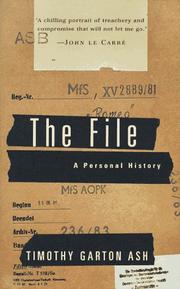
The File
by Timothy Garton Ash
The File by Timothy Garton Ash is a captivating book that delves into the intriguing world of the former German Democratic Republic, commonly known as East Germany.
Unveiling the secrets and intricacies of this enigmatic nation, Garton Ash presents a riveting account of life behind the Iron Curtain. With meticulous research and personal interviews, he uncovers the hidden stories, suppressed voices, and the ever-present surveillance that defined daily existence in this totalitarian state.
This remarkable book offers a unique perspective on the tumultuous history of East Germany, exploring the lives of ordinary citizens and their struggles against a repressive regime. Garton Ash’s vivid storytelling and deep analysis provide readers with a comprehensive understanding of the complex political, social, and cultural landscape of this once-divided nation.
Whether you are a history enthusiast or simply curious about life in East Germany, The File is a must-read. Prepare to be captivated by Garton Ash’s gripping narrative and gain valuable insights into a world that was shrouded in secrecy for decades.
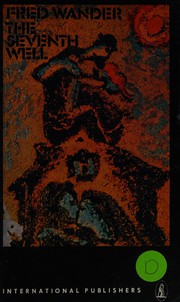
The Seventh Well
by Fred Wander
The Seventh Well is a captivating book about the haunting realities of life in the former German Democratic Republic, commonly known as East Germany. Fred Wander, a survivor of the Holocaust and an astute observer of human nature, sheds light on the struggles and triumphs of ordinary people living under an oppressive regime.
This gripping narrative takes readers on a journey through the labyrinthine streets of East Germany, where the ever-present Stasi, the secret police, watch every move, and where simple acts of defiance can have dire consequences. With vivid descriptions and powerful storytelling, Wander paints a vivid picture of a divided country, where hope and despair coexist in equal measure.
The Seventh Well delves deep into the lives of individuals who find themselves trapped within the boundaries of a totalitarian state. Through the eyes of the protagonist, readers are exposed to the harsh realities of the regime, the constant fear of surveillance, and the resilience of the human spirit.
This book transcends the genre of a simple “book about East Germany” and becomes a profound exploration of the human condition. Wander’s prose is both poetic and poignant, allowing the reader to empathize with the characters and their struggles. Each page is infused with a profound sense of longing for freedom and a yearning for a better future.
With its rich historical context and deeply human stories, The Seventh Well is a must-read for anyone interested in understanding the complexities of life in East Germany. It serves as a stark reminder of the power of hope and the indomitable spirit of those who dare to dream of a brighter tomorrow.
The End of East
by Jen Sookfong Lee
The End of East is a captivating novel that takes readers on a journey through the complexities of a family’s history and the changing landscape of East Germany. Set against the backdrop of a divided nation, this book explores the intertwined lives of its characters and the struggles they face in a society on the brink of change.
This gripping story delves into the lives of three generations of a family living in East Germany, highlighting their experiences and the challenges they face in a tumultuous time. Through the eyes of the protagonist, readers are transported to a world filled with political tension, social upheaval, and personal triumphs.
With richly drawn characters and a compelling narrative, The End of East offers a unique perspective on the complexities of life in East Germany. It explores themes of identity, family, and the search for belonging in a society undergoing profound transformation.
Whether you are interested in history, family dynamics, or simply enjoy a well-crafted story, this book about East Germany will keep you captivated from beginning to end. With its vivid descriptions, thought-provoking themes, and powerful storytelling, The End of East is a must-read for anyone looking for a deeper understanding of this fascinating period in history.

The Tower
by Uwe Tellkamp
The Tower: A Captivating Tale of Life in the German Democratic Republic
Experience the allure and complexity of the German Democratic Republic in Uwe Tellkamp’s stunning novel, The Tower. Set in the heart of East Germany, this meticulously crafted story takes readers on a journey through a society caught between repression and resilience.
In this captivating book about the German Democratic Republic, Tellkamp weaves a rich tapestry of characters and events, exposing the intricate web of relationships and struggles that defined life behind the Iron Curtain. Through the eyes of Richard Hoffmann, a talented young doctor, we bear witness to the everyday challenges faced by ordinary citizens, as well as the larger political and social forces that shape their existence.
As the keyword suggests, The Tower is indeed a book on East Germany. However, it is so much more than that. It delves deep into the human experience, exploring themes of love, loyalty, betrayal, and the quest for personal freedom in a society that seeks to suppress individuality.
With its vivid prose and meticulous attention to historical detail, this extraordinary novel brings to life the contrasting landscapes of East Germany, from the grandeur of Dresden to the decay of the Stasi-controlled city blocks. Through Tellkamp’s expert storytelling, we gain a profound understanding of the complexities and contradictions that defined life in this unique period of history.
The Tower is a book that will transport you to a time and place that has long captivated the imagination. Whether you have a deep fascination with East Germany or simply appreciate a well-crafted tale of human resilience, this novel is sure to leave a lasting impression.

The Good German
by Joseph Kanon
The Good German: A Riveting Tale of Post-War Germany
Step into the intriguing world of post-World War II Germany with Joseph Kanon’s captivating novel, The Good German. Set against the backdrop of a divided nation, this literary masterpiece takes you on a thrilling journey through the shadows of espionage and political intrigue.
In this gripping tale, Kanon skillfully weaves together a suspenseful narrative with historical accuracy, transporting readers to a time when Germany was still reeling from the aftermath of the war. The story unfolds in the enigmatic city of Berlin, a symbol of the division and tension that plagued the country.
As you delve into the pages of The Good German, you will encounter a cast of complex characters, each with their own secrets and motivations. Amidst this web of deceit, you will follow the journey of Jake Geismar, an American journalist who finds himself entangled in a dangerous game of cat and mouse.
What sets this novel apart is its meticulous portrayal of the political landscape of the era. Kanon’s attention to detail brings the divided city of Berlin to life, painting a vivid picture of a society grappling with the consequences of war, the rise of the Soviet Union, and the looming Cold War.
With its masterful blend of historical events and fiction, The Good German provides readers with a unique perspective on a lesser-explored period in history. Through its pages, you will gain a deeper understanding of the complexities of post-war Germany and the struggles faced by its people.
So, if you are seeking a thought-provoking and immersive reading experience, look no further than The Good German. This gripping novel will transport you to a world of espionage and betrayal, offering a thrilling glimpse into the shadowy underbelly of a divided nation.
The Other Side of Silence
by Uwe Johnson
The Other Side of Silence: A Captivating Book on East Germany
Embark on a literary journey through the gripping pages of Uwe Johnson’s The Other Side of Silence. This mesmerizing book about East Germany takes readers on a thought-provoking exploration of a time and place shrouded in secrecy and political tension.
Set against the backdrop of the Cold War, this East Germany book delves into the lives of ordinary people living in a society marked by surveillance, mistrust, and the constant struggle for personal freedom. Johnson masterfully weaves together multiple narratives, painting a vivid picture of a nation torn between its socialist aspirations and the human desire for individuality.
With meticulous attention to detail, Johnson captures the nuances of daily life in East Germany, immersing readers in a world where every action and word is subject to scrutiny. From the mundane routines of factory workers to the clandestine meetings of dissidents, the author reveals the intricate web of power and control that characterized this era.
As you turn each page, you will be captivated by the complex characters that populate this East Germany book. Johnson breathes life into his protagonists, allowing readers to witness their hopes, fears, and the indomitable spirit that refuses to be silenced. Through their stories, he sheds light on the resilience of the human spirit in the face of oppression.
Uwe Johnson’s The Other Side of Silence is not just a book on East Germany; it is a poignant reminder of the power of literature to uncover hidden truths and challenge prevailing narratives. This mesmerizing exploration of a tumultuous period in history will leave you pondering the delicate balance between personal freedom and the demands of an authoritarian regime.
So, if you are seeking a gripping and thought-provoking read, delve into the pages of this East Germany book and discover the secrets that lie on the other side of silence.
The Lost Honor of Katharina Blum
by Heinrich Böll
The Lost Honor of Katharina Blum is a gripping novel set in post-war Germany, delving into the murky world of East Germany. Heinrich Böll, the renowned German author, weaves a tale of suspense and intrigue that will keep readers on the edge of their seats.
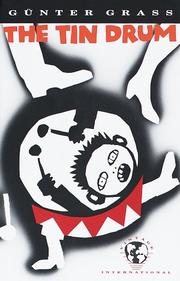
The Tin Drum
by Günter Grass
Günter Grass’s masterpiece, The Tin Drum, is a mesmerizing literary voyage through the tumultuous history of a country caught in the grip of change. Set in the fictional town of Danzig (now Gdansk) in what was once known as East Prussia, this extraordinary novel delves deep into the complex tapestry of post-war Germany.
Grass, a Nobel laureate, weaves an intricate narrative that spans three generations, centering around the indomitable Oskar Matzerath. Oskar, an unconventional and enigmatic protagonist, narrates his story from the confines of a mental institution, using his tin drum as a symbol of defiance against the chaos of the world around him.
As Oskar’s story unfolds, Grass masterfully captures the spirit of a nation torn apart by war and divided by ideology. Through his vivid descriptions and sharp social commentary, he explores the themes of guilt, identity, and the search for meaning in a world shattered by violence.
With its rich historical backdrop, The Tin Drum serves as much more than a book about East Germany. It is a profound exploration of the human condition, a reflection on the power of memory, and a haunting reminder of the consequences of war. Grass’s masterful storytelling and his ability to blend the surreal with the real make this novel a truly unforgettable reading experience.
The Wall
by John Marks
The Wall by John Marks is a captivating book that delves into the tumultuous history of the German Democratic Republic, commonly known as East Germany. This gripping narrative takes readers on a journey through the secretive and oppressive world behind the Berlin Wall.
Delving deep into the heart of this communist regime, Marks uncovers the stories of ordinary citizens who lived under constant surveillance and fear. His vivid storytelling paints a vivid picture of the daily struggles faced by people in this closed-off society.
Using meticulous research and firsthand interviews, Marks brings to life the stories of those who dared to challenge the status quo. From daring escape attempts to underground resistance movements, this book uncovers the resilience and determination of individuals trapped behind the Iron Curtain.
With its rich historical context and compelling storytelling, The Wall offers a fascinating insight into a world that few truly understand. Marks’ exploration of East Germany’s complex history will leave readers with a newfound appreciation for the power of human resilience and the importance of freedom.
The Book of Clouds
by Chloe Aridjis
The Book of Clouds is a captivating novel that delves into the enigmatic world of the former German Democratic Republic, a fascinating and often mysterious territory. Set against the backdrop of the book’s main character, Tatiana, this enthralling tale takes readers on a journey through the captivating landscapes of the Eastern Bloc.
The Reader
by Bernhard Schlink
The Reader, written by Bernhard Schlink, is a captivating book that delves into the complexities of post-war Germany, particularly the era of the German Democratic Republic, also known as East Germany.
This thought-provoking novel takes readers on a journey through the aftermath of World War II, exploring the lingering effects of guilt, shame, and the search for redemption. Set in a small town in post-war Germany, the story revolves around a young boy named Michael Berg, who becomes entangled in a passionate affair with an older woman named Hanna Schmitz.
As their relationship unfolds, Schlink skillfully weaves in historical events and societal issues that plagued East Germany during that time. The book delves into the divide between East and West Germany, shedding light on the political and social tensions that shaped the lives of its citizens.
Through Michael’s perspective, readers gain insight into the moral dilemmas faced by those who lived in East Germany. The book explores themes of guilt, responsibility, and the profound impact of personal choices in the face of a politically oppressive regime.
With its rich storytelling and compelling characters, The Reader offers a unique perspective on the history and consequences of life in East Germany. Schlink’s masterful writing draws readers into a world filled with moral complexities, leaving them questioning the blurred boundaries between right and wrong.
Whether you’re seeking a book on East Germany, a book about East Germany, or simply an engaging story that delves into the complexities of post-war societies, The Reader is a must-read that will leave you contemplating the consequences of our actions and the power of forgiveness.

The Collini Case
by Ferdinand von Schirach
The Collini Case is a gripping legal thriller that delves into the dark secrets of a forgotten era, offering a fascinating glimpse into the shadows of a divided land. Set in the backdrop of an enigmatic East Germany, this book takes readers on a heart-pounding journey through the tangled webs of justice, revenge, and redemption.
The Berlin Wall: A World Divided, 1961-1989
by Frederick Taylor
The Berlin Wall: A World Divided, 1961-1989 by Frederick Taylor is a captivating book that delves into the tumultuous history of a divided nation. In this comprehensive work, Taylor explores the complex dynamics of East Germany, a country that was once cloaked in secrecy and isolation.
This gripping book sheds light on the political, social, and economic aspects of East Germany, providing a deep understanding of the daily struggles and challenges faced by its citizens. From the construction of the Berlin Wall in 1961 to its eventual fall in 1989, Taylor takes readers on a journey through the heart of a nation divided.
Through meticulous research and compelling storytelling, Taylor uncovers the human stories hidden behind the Iron Curtain. He explores the experiences of those who attempted to escape the oppressive regime, the impact of the wall on families and communities, and the relentless surveillance and control exercised by the Stasi, East Germany’s secret police.
With vivid descriptions and insightful analysis, The Berlin Wall: A World Divided, 1961-1989 offers a comprehensive exploration of a significant period in history. Whether you are a history enthusiast, a student of Cold War politics, or simply curious about the intricacies of East Germany, this book is a must-read.
Prepare to be transported to a world where division, courage, and resilience were everyday realities. Join Frederick Taylor on a journey through the heart and soul of a nation as he uncovers the untold stories of East Germany.
The German Democratic Republic: Studies in European History
by Mary Fulbrook
The German Democratic Republic: Studies in European History by Mary Fulbrook
Are you fascinated by the history of the former communist state in Europe? If so, you need to get your hands on this captivating book about East Germany, also known as the German Democratic Republic. In her comprehensive study, acclaimed historian Mary Fulbrook delves deep into the complexities and contradictions of this intriguing nation.
Fulbrook’s book on East Germany is a rich tapestry of historical analysis, drawing on a wide range of sources to provide a nuanced understanding of the GDR. She examines the political, social, and cultural aspects of this unique state, shedding light on its origins, development, and eventual collapse.
This East Germany book takes you on a journey through the tumultuous decades of the GDR, from its establishment in the aftermath of World War II to its reunification with West Germany in 1990. Fulbrook explores the key events, such as the construction of the Berlin Wall, the Stasi secret police, and the peaceful revolution that ultimately led to the fall of the regime.
What sets this book about East Germany apart is its focus on the everyday lives of ordinary citizens. Fulbrook delves into the experiences, hopes, and fears of East Germans, giving voice to those who lived through the challenges and restrictions of the GDR. Through personal testimonies and detailed analysis, she paints a vivid picture of life behind the Iron Curtain.
Whether you are a history buff or simply curious about this lesser-known chapter of European history, The German Democratic Republic: Studies in European History is a must-read. Fulbrook’s engaging writing style and meticulous research make this book a captivating exploration of the complexities of the GDR, offering new insights and perspectives on a fascinating era.
The People’s State: East German Society from Hitler to Honecker
by Mary Fulbrook
The People’s State: East German Society from Hitler to Honecker
Looking for a fascinating and eye-opening book about the enigmatic and captivating world of East Germany? Well, look no further! Mary Fulbrook’s The People’s State: East German Society from Hitler to Honecker is just the book you need to dive deep into the tumultuous and complex history of this intriguing nation.
Delving into the heart of the former German Democratic Republic, Fulbrook takes us on a captivating journey through the rise and fall of the East German state. With meticulous research and an engaging writing style, she unravels the layers of propaganda, control, and everyday life that shaped the lives of East German citizens.
From the horrors of Nazi rule to the iron grip of the Stasi secret police, Fulbrook provides a comprehensive account of the political, social, and cultural forces that shaped East German society. She explores the strategies employed by the ruling regime to maintain control and the ways in which ordinary people navigated their lives under a repressive regime.
What sets The People’s State apart is Fulbrook’s dedication to capturing the voices and experiences of ordinary East Germans. Through interviews, diaries, and personal testimonies, she brings to life the hopes, dreams, and struggles of individuals living in a divided nation.
Whether you’re a history enthusiast, a student of Cold War politics, or simply curious about life behind the Iron Curtain, this book is an absolute must-read. Fulbrook’s ability to blend scholarly rigor with compelling storytelling ensures that The People’s State: East German Society from Hitler to Honecker will both educate and captivate you.
So, if you’re ready to embark on a captivating journey through the complex tapestry of East German history, grab a copy of The People’s State and prepare to be enthralled!
The GDR Handbook
by Patrick Major and Jonathan Osmond
The GDR Handbook is a captivating book on East Germany, offering readers a comprehensive insight into the history, society, and culture of this intriguing country. Written by Patrick Major and Jonathan Osmond, this book about East Germany is a must-read for anyone interested in understanding the complexities of life in the German Democratic Republic.

The East German Handbook
by Justinian Jampol
Are you fascinated by the enigmatic history of the German Democratic Republic? Do you yearn to unravel the mysteries of life behind the Iron Curtain? Look no further than “The East German Handbook” by Justinian Jampol, a captivating book on the former German Democratic Republic!
This extraordinary tome delves deep into the captivating world of East Germany, shedding light on the untold stories, hidden secrets, and unique experiences of this tumultuous era. Jampol’s meticulous research and engaging storytelling transport readers back in time to a place where the Berlin Wall divided a nation.
Within the pages of this book about East Germany, you’ll discover a treasure trove of information on the political landscape, the daily lives of East Germans, and the cultural phenomena that emerged in this fascinating period. From the Stasi’s pervasive surveillance to the Trabant cars that symbolized a society on the move, every aspect of East German life is explored.
Whether you’re a history buff seeking to expand your knowledge or simply curious about the human experience within a closed society, “The East German Handbook” is the perfect companion. Its vivid descriptions, captivating anecdotes, and thought-provoking analysis will leave you spellbound.
So, buckle up and embark on a journey to the heart of a nation that once stood behind the Iron Curtain. This East Germany book will transport you to a time and place where the past comes alive, and the echoes of history reverberate in every chapter.
Conclusion
After exploring the rich and complex history of East Germany, it is clear that there is a wealth of knowledge and insight to be gained from the literature that has been written on the subject. These 20 best books about East Germany offer a unique perspective on life behind the Iron Curtain, shedding light on the political, social, and cultural aspects of this intriguing period. Whether you are a history enthusiast or simply curious about this fascinating era, these books provide a captivating journey through the experiences and stories of individuals living in East Germany. So, grab a cup of coffee and immerse yourself in the pages of these remarkable books to gain a deeper understanding of this enigmatic time in history.